
Orthodontics
Adult Orthodontics
Comprehensive information about Adult Orthodontics, treatment steps and FAQs — Dentsmile.
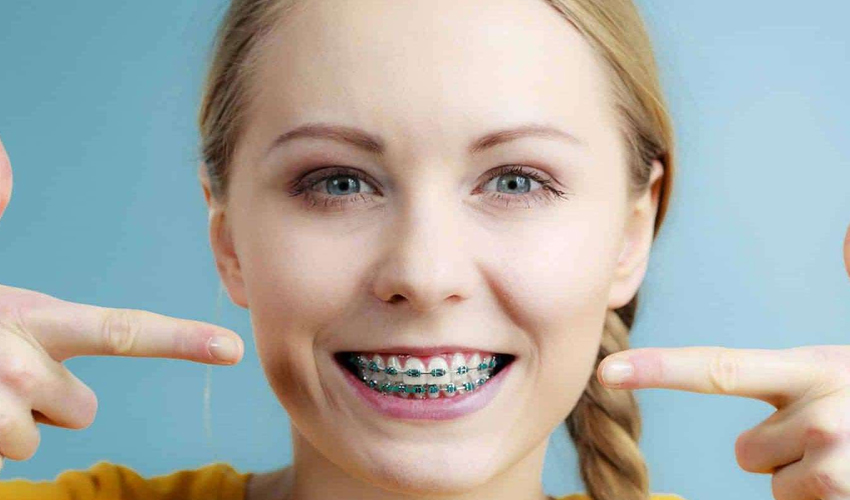
Adult orthodontics refers to orthodontic treatments designed to correct dental crowding, spaces between teeth, and bite problems that were either left untreated during childhood or adolescence or developed later in life.
Adults may present with significant crowding, protruding teeth, a narrow upper jaw, or discrepancies between the upper and lower jaws. In addition, when teeth have been extracted earlier in life, neighboring teeth may gradually drift, tilt, or move into the resulting spaces, potentially contributing to bite problems.
Crowded teeth can be more difficult to clean, which may make plaque and calculus accumulation easier in some patients. When combined with inadequate oral hygiene, problems such as bleeding gums, bad breath, tooth decay, and gum disease may occur. However, it would not be accurate to attribute all of these problems directly to orthodontic irregularities. Crowding can contribute by making effective cleaning more difficult, particularly when oral hygiene is already inadequate.
Orthodontic treatment in adults is not performed solely for aesthetic reasons. Correct positioning of the teeth may also be important for improving the bite, making oral hygiene easier, and creating appropriate space for future implants, bridges, or other restorative treatments.
How Is Orthodontic Treatment Performed in Adults?
Orthodontic tooth movement is biologically possible in adults, and there is no absolute upper age limit for treatment as long as the bone and gum tissues supporting the teeth are sufficiently healthy.
Unlike children, adults have largely completed their craniofacial growth. For this reason, orthopedic approaches that rely on growth modification cannot be applied to adults in the same way as they can to growing patients.
Many dental problems can be corrected using orthodontic methods. However, in significant skeletal discrepancies involving the position of the upper or lower jaw, moving the teeth alone may not be sufficient. In these adult patients, orthodontic treatment may need to be combined with orthognathic surgery, also known as corrective jaw surgery.
Assessment of periodontal and bone health is particularly important before beginning adult orthodontic treatment. If gum disease or another active periodontal condition is present, it should be brought under control before orthodontic treatment begins.
Which Methods Are Used in Adult Orthodontic Treatment?
When selecting an orthodontic treatment method for an adult patient, the type and severity of the problem are considered together with the patient’s aesthetic expectations, profession, and social lifestyle.
Treatment options may include:
Conventional metal braces
Ceramic or aesthetic brackets
Lingual braces placed on the inner surfaces of the teeth
Clear aligner systems
Ceramic brackets are closer to the natural color of the teeth and may therefore be less noticeable than conventional metal brackets. In lingual orthodontics, the brackets are positioned on the tongue-facing surfaces of the teeth, making them much less visible from the outside. Clear aligners, meanwhile, provide a removable and discreet orthodontic treatment option for appropriately selected cases.
Aesthetic-coated orthodontic archwires may also be used with certain bracket systems. However, the choice of brackets and wires should not be based solely on appearance. The tooth movements required and the biomechanical requirements of treatment should remain the primary considerations.
In adult orthodontics, there is no single ideal treatment method for every patient. The appropriate approach should be selected after considering the existing condition of the teeth and jaws, periodontal and bone health, the nature of the bite problem, and the patient’s aesthetic expectations together.