
Periodontal Treatments
Periodontitis Treatment
What Is Periodontitis? Periodontitis Treatment in Üsküdar. Comprehensive information about Periodontitis Treatment, treatment steps and FAQs — Dentsmile.
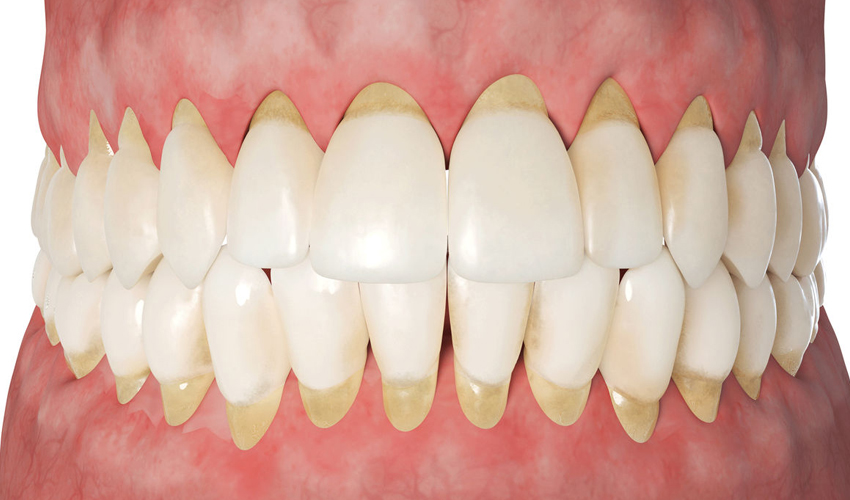
Periodontitis is an advanced form of gum disease that affects not only the gums but also the bone and other periodontal tissues that surround and support the teeth. As the disease progresses, these supporting tissues may be lost, potentially leading to tooth mobility and, if left untreated, tooth loss.
Periodontitis is generally a chronic inflammatory disease associated with bacterial plaque. Gingivitis, on the other hand, is a more superficial condition limited to the gum tissue. Not every case of gingivitis progresses to periodontitis; however, uncontrolled gum inflammation may contribute to the development of periodontal disease in susceptible individuals.
At Dentsmile Oral and Dental Health Clinic, when planning periodontitis treatment in Üsküdar, we evaluate not only the appearance of the gums but also the condition of the bone and periodontal tissues supporting the teeth.
What Are the Symptoms of Periodontitis?
Periodontitis may progress for a long time without causing significant pain. For this reason, some patients may not notice the problem until gum recession or tooth mobility develops.
Common symptoms may include:
Bleeding gums
Red or swollen gums
Gum recession
Teeth appearing longer than before
Persistent bad breath or an unpleasant taste
New spaces developing between the teeth
Tooth mobility
Discharge from between the teeth and gums
Particularly when loose teeth or gum recession are present, professional scaling alone may not be sufficient. The condition of the bone supporting the teeth should also be evaluated.
What Causes Periodontitis?
One of the main factors involved in the development of periodontitis is bacterial plaque accumulating around the teeth. When plaque is not removed regularly, it can trigger an inflammatory response in the gum tissues.
Over time, mineralized plaque can develop into tartar, and deposits located below the gum line may negatively affect periodontal health.
However, periodontitis cannot be explained solely by inadequate tooth brushing. The development and progression of the disease can vary considerably from person to person.
Smoking and poorly controlled diabetes are among the important risk factors for periodontitis. Genetic susceptibility, certain systemic diseases, medications, and an individual’s immune response may also affect periodontal health.
For this reason, periodontitis treatment should address not only tartar deposits within the mouth but also risk factors that may influence disease progression.
How Is Periodontitis Diagnosed?
A clinical periodontal examination is important for diagnosing periodontitis.
The areas between the teeth and gums are examined using specialized periodontal instruments. Periodontal pocket depths, gum bleeding, gum recession, and tooth mobility are assessed.
When necessary, radiographic imaging may be used to evaluate the bone levels surrounding the teeth.
Based on these findings, the dentist determines which teeth are affected, how far the disease has progressed, and the patient’s individual risk profile. A personalized treatment plan can then be prepared.
How Is Periodontitis Treated?
The primary objective of periodontitis treatment is to reduce the bacterial load associated with the disease, clean the root surfaces, and control further disease progression.
During the initial stage of treatment, plaque and tartar deposits located both above and below the gum line are removed. Where necessary, subgingival cleaning and root surface debridement may be performed.
Following treatment, the response of the periodontal tissues is evaluated. Changes in periodontal pocket depths, control of bleeding, and improvements in the patient’s oral hygiene are monitored.
In some advanced cases, non-surgical periodontal treatment alone may not be sufficient. Periodontal surgical procedures may be considered in suitable cases involving deep periodontal pockets or certain types of bone defects that may benefit from surgical treatment.
Bone grafts and regenerative periodontal procedures are not appropriate for every type of bone loss. Their use depends on the shape of the bone defect and the anatomical conditions of the affected area.
Antibiotics are also not routinely prescribed to every patient as part of periodontitis treatment. They may be added to treatment when considered necessary in specific clinical situations.
Care After Periodontitis Treatment
Daily oral hygiene is as important as professional treatment in the management of periodontitis.
In addition to regular tooth brushing, cleaning between the teeth is particularly important. Depending on the patient’s oral anatomy, dental floss or interdental brushes may be recommended.
For patients who smoke, stopping smoking is important for the long-term success of periodontal treatment. In patients with diabetes, maintaining good blood glucose control is important for both general and periodontal health.
Patients with a history of periodontitis require regular periodontal maintenance and follow-up after active treatment has been completed. The appropriate interval between appointments is not the same for every patient and should be determined according to the severity of the disease and the individual risk profile.
Can Bone Lost Due to Periodontitis Grow Back?
The primary goal of periodontitis treatment is to preserve the tissues that currently support the teeth and prevent further progression of the disease.
Following treatment, inflammation can be brought under control and healing of the periodontal tissues may occur. However, it is not realistic to expect all bone that has already been lost to regenerate spontaneously to its original level.
For certain types of bone defects, periodontal regenerative procedures and bone grafting may be used with the aim of rebuilding some of the supporting tissues. Whether this is possible should be evaluated individually for each affected area.
For this reason, diagnosing periodontitis as early as possible is important for preserving the existing bone and support around the teeth.
Periodontitis Treatment in Üsküdar
At Dentsmile Oral and Dental Health Clinic, before planning periodontitis treatment in Üsküdar, we evaluate periodontal pocket depths, gum bleeding, gum recession, tooth mobility, and bone levels together.
We do not consider periodontitis treatment to be simply a matter of removing tartar. When periodontitis is present, the objective is to control disease-causing deposits below the gum line and preserve as much of the existing bone support around the natural teeth as possible.
Depending on the severity of the disease, treatment may include subgingival cleaning, root surface debridement, periodontal surgery, or regenerative procedures in suitable cases.
Our primary approach to periodontitis treatment in Üsküdar is to control the disease as early as possible, reduce the risk of tooth loss, and maintain the periodontal health achieved through treatment with regular long-term follow-up.