
Implant Treatments
Single Tooth Implant
Comprehensive information about Single Tooth Implant, treatment steps and FAQs — Dentsmile.
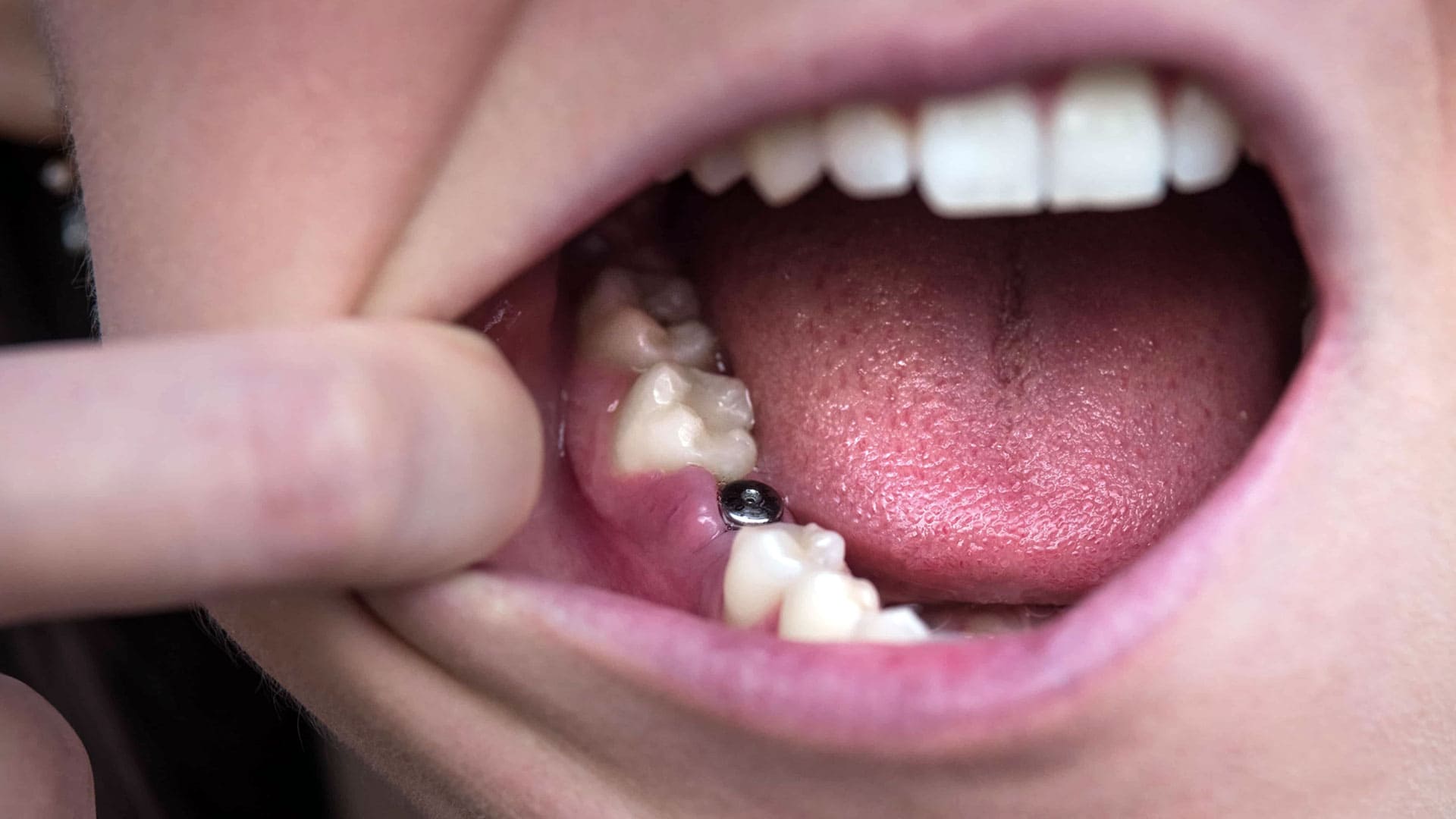
Losing a single tooth may initially seem like nothing more than an aesthetic concern. However, over time, a missing tooth can affect many aspects of oral health, including chewing function, the position of neighboring teeth, the opposing tooth, and the structure of the jawbone. For this reason, replacing a single missing tooth should not simply be considered a matter of filling a gap, but rather restoring the overall balance and integrity of the mouth.
A single tooth implant replaces a missing tooth with a dental implant placed into the jawbone and a custom-made crown attached to it. One of its most important advantages is that, unlike a traditional dental bridge, there is generally no need to reduce or prepare the healthy teeth adjacent to the missing tooth.
At Dentsmile Clinic, when planning single tooth implant treatment in Üsküdar and Istanbul, we first evaluate the bone structure in the missing tooth area, gum levels, bite relationship, and the patient's aesthetic expectations. Particularly in the anterior region, accurate implant positioning is one of the most important factors in achieving a natural-looking final restoration.
What Is a Single Tooth Implant?
A single tooth implant is an implant treatment used to replace one natural tooth that has been lost for any reason.
The treatment essentially consists of three components:
A dental implant placed into the jawbone
An abutment connecting the implant to the prosthetic tooth
An implant-supported crown that recreates the appearance of the natural tooth
The implant functions similarly to the root of a natural tooth, while the porcelain or zirconia crown placed on top replaces the visible portion of the missing tooth.
The goal of successful single tooth implant treatment is not simply to close the gap. The new tooth should harmonize with the neighboring teeth in terms of color, shape, and size, provide appropriate contact points, and allow the patient to chew comfortably.
Why Should a Single Missing Tooth Be Replaced?
When a tooth is extracted or lost and the resulting space is left untreated for an extended period, the balance within the mouth may gradually change.
Over time:
Neighboring teeth may shift toward the empty space.
The opposing tooth may move or over-erupt into the gap.
Chewing balance may be altered.
Bone volume in the missing tooth area may decrease.
New spaces or crowding may develop between the teeth.
The appearance of the smile may be affected.
While the aesthetic consequences of losing a front tooth are immediately noticeable, missing posterior teeth may sometimes be ignored for a long time. However, because back teeth play an important role in chewing, tooth loss in these areas should also be properly evaluated.
Who Is a Candidate for a Single Tooth Implant?
Single tooth implant treatment may be suitable for patients whose general health permits implant surgery and who have sufficient bone structure to support an implant.
Before treatment, we particularly evaluate:
The height and width of the jawbone
Gum health
The condition of neighboring teeth
Bite relationship
The location of the missing tooth
The patient's general health
Oral hygiene
Smoking habits
Insufficient bone volume does not necessarily mean that implant treatment is impossible. In appropriate cases, bone grafting or other surgical procedures may be used to create suitable conditions for implant placement.
How Is a Single Tooth Implant Performed?
Examination and 3D Planning
The first stage involves a comprehensive oral examination. When necessary, panoramic X-rays and 3D dental tomography (CBCT) are used to evaluate the implant site in detail.
CBCT allows us to assess not only the height of the bone but also its three-dimensional anatomy. Important structures such as nerve canals and sinus cavities can be examined so that the diameter, length, angle, and position of the implant can be carefully planned.
Digital planning is particularly important for placing the implant in the correct prosthetic position.
Implant Placement
Implant surgery is generally performed under local anesthesia.
Once the treatment area has been completely numbed, an appropriate site is prepared within the jawbone and the implant is placed in the planned position.
In suitable cases, a digitally designed surgical guide may be used to help position the implant according to the predetermined angle and location.
Healing and Osseointegration
After implant placement, time is allowed for the implant to biologically integrate with the surrounding bone. This process is known as osseointegration.
Healing time varies depending on the patient's bone quality, the location of the implant, and the characteristics of the treatment.
The development of healthy and stable bone around the implant during this period is one of the key factors affecting long-term success.
Preparation of the Implant-Supported Crown
Once healing is complete, the crown that will be placed on the implant is prepared.
Using digital intraoral impressions and CAD/CAM technologies, the new tooth can be designed according to:
The color of the neighboring teeth
Tooth shape
Gum line
Bite relationship
Particularly in the anterior region, our goal is to make the implant-supported tooth as indistinguishable as possible from the surrounding natural teeth.
Single Tooth Implant or Dental Bridge?
In the past, one of the most commonly used treatments for a single missing tooth was a three-unit dental bridge. To place a conventional bridge, the teeth on either side of the missing tooth generally need to be reduced to support the restoration.
With a single tooth implant, only the missing tooth area is treated, without the need to prepare the adjacent teeth.
This provides a significant advantage, particularly when the neighboring teeth are healthy.
However, there is no single treatment option that is ideal for every patient. Bone structure, existing restorations on neighboring teeth, periodontal health, general medical condition, and financial considerations should all be evaluated before making a treatment decision.
What Are the Advantages of a Single Tooth Implant?
Healthy Neighboring Teeth Are Preserved
One of the most important advantages of a single tooth implant is that the healthy teeth adjacent to the missing tooth generally do not need to be reduced or prepared.
A Natural-Looking Result Can Be Achieved
With proper surgical and prosthetic planning, an implant-supported crown can be designed to closely match the shape and color of the surrounding natural teeth.
Chewing Function Is Restored
An implant-supported tooth allows the missing area to participate in the chewing system again, helping restore functional balance.
Helps Preserve the Jawbone
After a natural tooth is lost, bone volume in that area may gradually decrease. The functional presence of an implant within the bone can help preserve the surrounding bone structure.
It Is a Fixed Treatment
An implant-supported crown is a fixed restoration. It does not need to be removed and reinserted by the patient and can be used in a manner similar to a natural tooth.
Why Are Front Tooth Implants More Challenging Aesthetically?
In anterior implant treatment, successful integration of the implant into the bone is not enough on its own. The appearance and stability of the surrounding gum tissue must also be carefully managed.
Important factors include:
The three-dimensional position of the implant
Gum thickness
Gum level
Bone volume
Shape of the neighboring teeth
Smile line
Even a difference of a few millimeters in implant positioning can affect the gum level and the appearance of the final crown. For this reason, we consider combined surgical and prosthetic planning particularly important when placing implants in the aesthetic zone.
Can an Implant Be Placed on the Same Day as Tooth Extraction?
In suitable cases, an implant can be placed into the extraction site during the same appointment. This procedure is known as immediate implant placement.
However, not every extraction site is suitable for immediate implant placement.
When making this decision, we evaluate:
Available bone volume
Presence or absence of infection
Anatomy of the extraction socket
Primary stability of the implant
Condition of the gum tissue
Being able to place an implant on the same day does not necessarily mean that a permanent tooth can also be fitted immediately. The decision regarding temporary or permanent loading depends on implant stability and the clinical conditions of each individual case.
Is Single Tooth Implant Treatment Painful?
Because implant placement is performed under local anesthesia, patients are not expected to experience pain during the procedure.
After the anesthesia wears off, mild discomfort, tenderness, or swelling may occur for a few days. In most patients, these symptoms can be managed with prescribed medications and by following postoperative instructions.
If pain is more severe than expected, swelling continues to increase, or any unusual symptoms develop, the dentist should be contacted.
How Long Does Single Tooth Implant Treatment Take?
The surgical placement of a single implant is usually a relatively short procedure, depending on the complexity of the case. However, the total duration of implant treatment should not be evaluated solely according to the length of the surgical appointment.
The overall treatment time depends on:
Bone structure
Whether bone grafting is required
Initial implant stability
The location of the implant
Individual healing rate
In some cases, a temporary tooth may be prepared on the same day. In others, the implant is allowed to heal before the permanent crown is placed.
How Long Does a Single Tooth Implant Last?
It is not appropriate to define the lifespan of a dental implant with a single number of years that applies to every patient.
Long-term success is influenced by:
Proper treatment planning
Quality of the surgical procedure
Accurate prosthetic restoration
Oral hygiene
Gum health
Smoking
Teeth grinding and clenching
Regular dental check-ups
A well-planned implant that is properly maintained can remain healthy and functional for many years.
It is also important to understand that the implant and the crown placed on top of it are not the same thing. The implant is the component positioned within the jawbone, while the porcelain or zirconia crown above it may eventually require replacement due to wear or other factors.
How Should You Care for a Single Tooth Implant?
Proper maintenance is just as important as the treatment itself for the long-term success of an implant.
The area around the implant should be brushed regularly, and the spaces between the teeth should be cleaned using dental floss, interdental brushes, or other oral hygiene products recommended by your dentist.
Regular dental examinations should also be maintained even when there are no symptoms or complaints.
Dental implants themselves cannot develop cavities like natural teeth. However, inflammatory conditions can affect the gum and bone tissues surrounding an implant. Therefore, the idea that an implant requires no maintenance once it has been placed is incorrect.
Single Tooth Implant Prices
The cost of single tooth implant treatment may vary from one patient to another.
Factors affecting treatment costs include:
The implant system used
The location of the implant
Whether bone grafting is required
The extent of the surgical procedure
The material used for the implant-supported crown
Any additional treatments required
For this reason, implant treatments should not be compared solely on the basis of implant brand or a single quoted price. Proper treatment planning, accurate implant positioning, and the quality of the final prosthetic restoration are all integral parts of successful implant treatment.
Single Tooth Implant Treatment at Dentsmile Clinic
At Dentsmile Clinic – Üsküdar, Istanbul, we approach the surgical and prosthetic stages of single tooth implant treatment as an integrated process.
When clinically indicated, we use 3D dental tomography (CBCT), digital intraoral scanning, CAD/CAM, and CEREC technologies to plan both the implant position and the final restoration from the beginning of treatment.
Particularly in the aesthetic zone, our goal is not simply to place an implant where a tooth is missing. We aim to achieve a restoration that harmonizes with the surrounding gum tissue, closely resembles the neighboring natural teeth, and provides proper function.
Frequently Asked Questions
Can an implant be used to replace just one missing tooth?
Yes. Replacing a single missing tooth is one of the most common indications for dental implant treatment. The missing tooth can be restored without preparing the adjacent teeth.
Do the neighboring teeth need to be filed down for a single tooth implant?
No. One of the main advantages of implant treatment is that healthy neighboring teeth generally do not need to be reduced.
Can an implant be placed immediately after tooth extraction?
If the bone and soft tissue conditions are suitable, an implant may be placed during the same appointment as the extraction. Whether this is appropriate is determined after clinical and radiographic evaluation.
Does a single tooth implant look natural?
With correct implant positioning, appropriate gum management, and a high-quality implant-supported crown, very natural-looking results can be achieved. Aesthetic planning is particularly important for front teeth.
Can an implant-supported tooth develop cavities?
The dental implant itself cannot develop tooth decay. However, disease can develop in the gum and bone tissues surrounding the implant, which is why proper oral hygiene and regular dental examinations remain essential.
Why Is It Important Not to Delay Treatment for a Single Missing Tooth?
Although a single missing tooth may initially appear to be a minor problem, over time it can affect the surrounding teeth, jawbone, and overall chewing pattern. Early evaluation of the missing tooth area may therefore provide more conservative and predictable treatment options.
At Dentsmile Clinic – Üsküdar, Istanbul, we plan single tooth implant treatments individually by evaluating each patient's bone structure, gum health, bite relationship, and aesthetic expectations together. Our goal is not simply to replace the missing tooth, but to achieve an aesthetic and functional result that resembles a natural tooth as closely as possible.