Periodontal Treatments
Gingivitis
Comprehensive information about Gingivitis Treatment in Üsküdar, treatment steps and FAQs — Dentsmile.
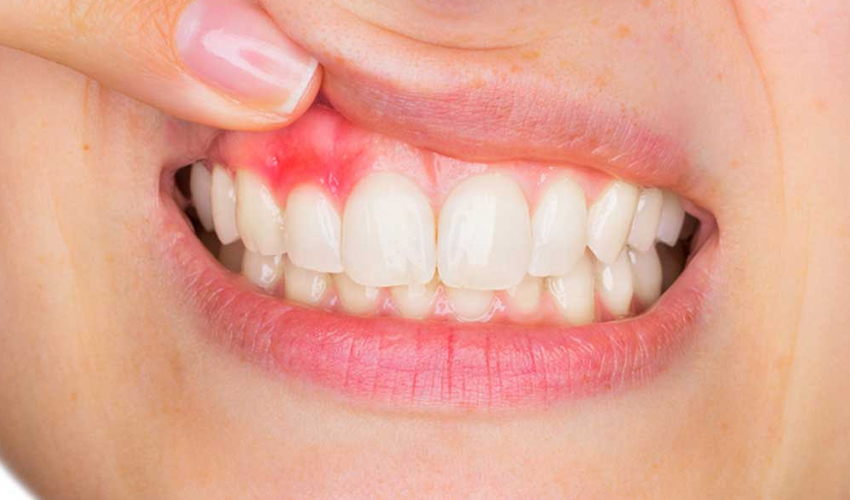
Gingivitis is an inflammatory condition affecting the gum tissues surrounding the teeth. The most common cause is the accumulation of bacterial plaque resulting from inadequate cleaning of the teeth and gum line.
Healthy gums are generally pale pink, firm, and do not bleed during brushing. When gingivitis develops, the gums may become red and swollen, and bleeding may occur, particularly during tooth brushing.
An important characteristic of gingivitis is that, when detected early and treated appropriately, it can usually be controlled before any loss of the bone supporting the teeth occurs. However, untreated gingivitis may progress to more advanced periodontal disease in some patients.
At Dentsmile Oral and Dental Health Clinic, when planning gingivitis treatment in Üsküdar, we first determine whether the inflammation is limited to the superficial gum tissues. This distinction is important because gingivitis and periodontitis associated with bone loss require different treatment approaches.
What Are the Symptoms of Gingivitis?
Gingivitis may not cause pain in its early stages. For this reason, many patients do not become concerned about gum disease until they notice bleeding while brushing.
The most common symptoms include:
Bleeding while brushing or flossing
Redness of the gums
Swelling and tenderness
Plaque and tartar accumulation along the gum line
Bad breath
An unpleasant taste in the mouth
Bleeding gums should not be considered normal. Although aggressive brushing may occasionally cause bleeding due to trauma, recurrent bleeding generally indicates that the gum tissues should be evaluated.
Loose teeth, significant gum recession, or newly developing spaces between the teeth may indicate a more advanced periodontal problem rather than simple gingivitis.
What Causes Gingivitis?
The most common cause of gingivitis is bacterial dental plaque.
When the areas where the teeth meet the gums are not cleaned adequately, a sticky layer of bacteria forms on these surfaces. If plaque is not removed regularly, it can trigger an inflammatory response in the gum tissues.
Over time, mineralized plaque can develop into calculus (tartar). Because tartar has a rough surface, it can facilitate further plaque accumulation and cannot be completely removed through routine brushing at home.
In addition to inadequate oral hygiene, smoking, certain systemic diseases and medications, hormonal changes, dry mouth, and dental restorations that make cleaning difficult may also affect gum health.
For this reason, it is not appropriate to assume that every case of gum bleeding is simply caused by tartar.
How Is Gingivitis Treated?
The first stage of treatment is to control the plaque and tartar accumulation responsible for gum inflammation.
During the dental examination, the gums are evaluated. When necessary, periodontal measurements and radiographic examinations may be performed to determine whether there has been any loss of the bone supporting the teeth.
When gingivitis is present, professional scaling and dental cleaning are performed to remove plaque and tartar from the tooth surfaces and along the gum line.
The continuation and long-term success of treatment depend on the patient’s daily oral hygiene. Teeth should be brushed regularly using the correct technique, and the spaces between the teeth should be cleaned with dental floss or interdental brushes appropriate for the patient.
Mouthwashes may be recommended as an additional aid for some patients, but they do not replace mechanical plaque removal or tooth brushing.
Once the plaque responsible for gum inflammation is brought under control, redness, swelling, and bleeding may gradually decrease.
What Is the Difference Between Gingivitis and Periodontitis?
Gingivitis and periodontitis are two different periodontal conditions and should not be confused.
In gingivitis, inflammation is primarily limited to the gum tissues, and there is no disease-related loss of the bone supporting the teeth.
In periodontitis, the disease affects the deeper supporting tissues. Loss of the bone and periodontal tissues surrounding the teeth may occur.
This may lead to gum recession, periodontal pocket formation, tooth mobility, or the development of spaces between the teeth.
This distinction is important because early-stage gingivitis can generally be controlled with appropriate professional cleaning and good oral hygiene, whereas periodontitis may require more comprehensive periodontal treatment and long-term follow-up.
How Can Gingivitis Be Prevented?
Regular plaque control is the foundation of maintaining healthy gums.
Teeth should be brushed at least twice a day using the correct technique. However, a toothbrush may not adequately reach all surfaces between the teeth. For this reason, dental floss or appropriate interdental brushes are an important part of daily oral care.
Smoking is an important risk factor for periodontal health. Regular dental examinations can also help identify gum problems at an early stage before the patient notices them.
The appropriate frequency of professional dental cleaning is not the same for everyone. The interval between appointments should be determined individually according to the rate of tartar formation and the patient’s periodontal risk.
Gingivitis Treatment in Üsküdar
At Dentsmile Oral and Dental Health Clinic, before providing gingivitis and gum inflammation treatment in Üsküdar, we first determine the underlying cause of the bleeding and inflammation.
The objective is not simply to remove visible tartar. The condition of the gum tissues should also be evaluated to determine whether the problem is limited to gingivitis or has progressed to involve the deeper periodontal tissues.
When gum inflammation is controlled at an early stage, professional cleaning combined with appropriate daily oral hygiene generally forms the foundation of treatment.
If symptoms such as bleeding gums, redness, swelling, or persistent bad breath are present, undergoing a periodontal evaluation before the condition progresses is important for the long-term preservation of natural teeth and the tissues that support them.