
Periodontal Treatments
Periodontal Flap Surgery
What Is Flap Surgery? Periodontal Flap Surgery in Üsküdar
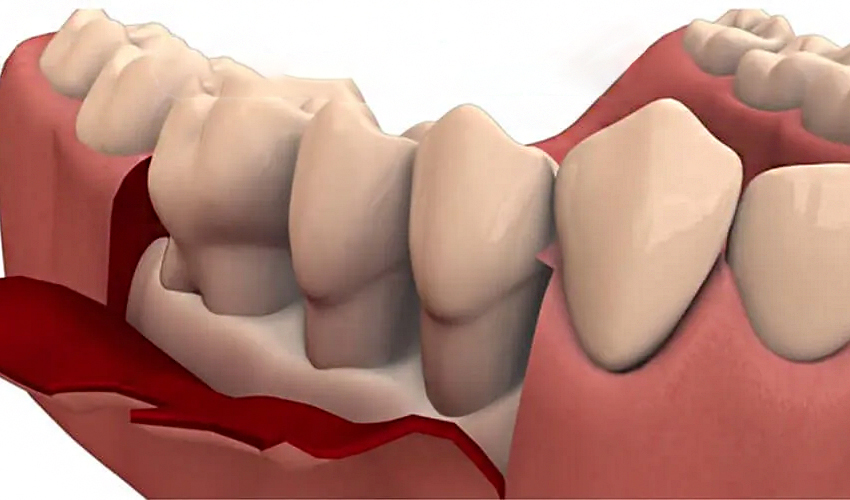
Flap surgery is one of the periodontal surgical procedures used in the treatment of advanced gum disease (periodontitis). It may be considered particularly when deep periodontal pockets and root surfaces below the gum line cannot be adequately accessed with non-surgical treatment methods.
During the procedure, the gum tissue is carefully lifted to provide direct access to the tooth roots and surrounding supporting tissues. This allows tartar and disease-associated deposits in deeper areas to be removed, the root surfaces to be cleaned and treated, and the underlying bone to be evaluated when necessary.
At Dentsmile Oral and Dental Health Clinic, when planning flap surgery in Üsküdar, we first perform a detailed assessment of the patient’s periodontal condition. Flap surgery is not required for every patient with periodontitis. The need for surgical treatment is generally determined after evaluating the response to initial periodontal therapy.
When Is Flap Surgery Performed?
The initial approach to periodontitis treatment generally involves removing plaque and tartar deposits below the gum line and cleaning the root surfaces.
After these treatments, deep periodontal pockets may persist in certain areas. Surgical treatment may be considered particularly when the root anatomy is complex or deposits in deeper areas cannot be adequately accessed.
Flap surgery may be performed when:
Deep periodontal pockets are present
There are difficult-to-reach tartar deposits below the gum line
Periodontal disease persists despite non-surgical treatment
Better access to the root surfaces is required
Direct evaluation of bone loss is necessary
Flap surgery is not performed simply because gum recession is present. Surgical procedures used to treat gum recession vary depending on the type and characteristics of the condition.
How Is Flap Surgery Performed?
The procedure is generally performed under local anesthesia to numb the treatment area and help keep the patient comfortable during surgery.
Controlled incisions are made in the gum tissue, which is then carefully lifted away from the root surfaces. This provides direct access to areas that may be difficult to reach during conventional periodontal cleaning.
Tartar and bacterial deposits are removed from the root surfaces. Tissues affected by the disease are removed when necessary, and the underlying bone structure is evaluated.
For certain types of bone defects, the use of bone grafts or periodontal regenerative materials may also be considered. However, these procedures are not required in every flap surgery.
Once the procedure is completed, the gum tissue is repositioned and secured with sutures.
Recovery After Flap Surgery
Mild pain, tenderness, swelling, or limited bleeding may occur during the first few days after surgery. The severity of these symptoms may vary depending on the extent of the procedure and the patient’s individual healing response.
It is important to follow the dentist’s instructions regarding medications and oral care. Antibiotics are not routinely required after every flap surgery; the dentist determines whether they are necessary based on the patient’s condition and the type of procedure performed.
During the first few days, patients may be advised to avoid hard foods that could irritate the surgical area and to choose softer foods instead.
Cleaning the surgical area is also an important part of the healing process. Temporary changes to the usual brushing routine may be necessary. The patient is given detailed instructions on how and where to clean the treated area after surgery.
The timing of suture removal depends on the type of suture material used and the surgical procedure performed.
Can Gum Recession Occur After Flap Surgery?
One of the issues patients should be aware of after periodontal surgery is that changes in the gum level may occur.
In patients with advanced periodontitis, the gums may initially be swollen due to inflammation. As inflammation decreases and the tissues heal following treatment, the gums become firmer.
As a result, some teeth may appear longer, and existing areas of gum recession may become more noticeable. Temporary sensitivity to hot and cold temperatures may also occur due to increased exposure of the root surfaces.
The degree of these changes varies from patient to patient and depends on the amount of periodontal tissue loss that was already present before surgery.
Can Bone Lost Due to Periodontitis Be Regenerated with Flap Surgery?
The primary purpose of flap surgery is not to regenerate all of the bone that has already been lost. The main objective is to gain access to the affected area, clean the root surfaces, and create an environment in which periodontal disease can be brought under control.
However, bone grafting and periodontal regenerative treatments may be considered for certain types of bone defects.
These procedures aim to regenerate some of the supporting tissues that have been lost. However, not every type of bone loss is suitable for regenerative treatment, and the results that can be achieved vary from patient to patient.
Flap Surgery in Üsküdar
At Dentsmile Oral and Dental Health Clinic, when planning flap surgery and periodontal surgery in Üsküdar, our priority is to determine whether surgical treatment is actually necessary.
Whenever possible, patients with periodontitis are first treated with non-surgical periodontal methods, and the response of the gum tissues is then evaluated. Flap surgery may be planned in suitable cases where deep periodontal pockets persist.
When necessary, the pattern of bone loss can also be evaluated during surgery to determine whether regenerative periodontal treatments may be appropriate.
Our primary objective is not simply to clean periodontal pockets, but to control the progression of periodontal disease, preserve the existing bone support as much as possible, and help maintain the patient’s natural teeth in a healthy condition.