
Cosmetic Dentistry
Gum Aesthetics
Comprehensive information about Gum Aesthetics, treatment steps and FAQs — Dentsmile. What Is Gum Aesthetics? Pink Aesthetics for a Balanced and Natural Smile
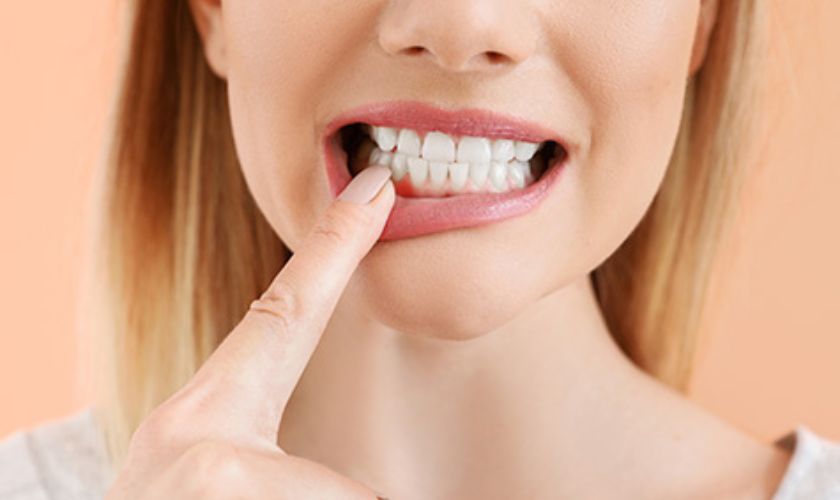
What Is Gum Aesthetics? Pink Aesthetics for a Balanced and Natural Smile
An aesthetic smile is not created by the whiteness and shape of the teeth alone. The level, symmetry, color, and health of the gums surrounding the teeth also have a direct effect on the overall appearance of the smile. Even if the front teeth are straight and aesthetically pleasing, irregular gum levels or excessive gum display during smiling may prevent the result from looking as natural as expected.
Gum aesthetics, also known as pink aesthetics, is the general term used for periodontal and aesthetic procedures that aim to create a more balanced relationship between the gums, teeth, and lips.
At Dentsmile Clinic – Üsküdar, Istanbul, we do not consider gum aesthetics simply as a procedure for reshaping gum tissue. We first determine the underlying cause of the gum-level problem and then plan treatment together with the patient’s tooth proportions, facial features, lip movements, and overall smile line.
What Is Gum Aesthetics?
The aim of gum aesthetics is to reshape the gum tissue within healthy and natural biological limits so that it appears more harmonious with the teeth.
Treatment may be performed for different purposes, including:
Reducing excess gum tissue
Creating more symmetrical gum levels
Improving the proportions of teeth that appear short
Treating gum recession
Reducing excessive gum display during smiling
For this reason, “gum aesthetics” does not refer to a single procedure. Different periodontal treatments such as gingivectomy, gingivoplasty, crown lengthening, and gum grafting may all fall within this category.
What Is Pink Aesthetics?
In dentistry, the aesthetic appearance created by the teeth is sometimes referred to as “white aesthetics,” while the aesthetic contribution of the gums is described as “pink aesthetics.”
For a natural smile, these two components should complement one another.
There are certain proportions and levels between the gums surrounding the front teeth. In particular, the gingival margins of the central incisors, lateral incisors, and canine teeth influence the overall character of the smile.
When planning pink aesthetics, it is important not only to determine how much gum tissue should be removed, but also to consider how the teeth will look afterward.
When Is Gum Aesthetic Treatment Performed?
Excessive Gum Display When Smiling
When the gums are more visible than usual during smiling, this condition is commonly known as a gummy smile.
However, there is no single cause of a gummy smile.
Excessive gum display may be related to:
Gum tissue extending too far over the teeth
Excessive movement of the upper lip
A vertically long upper jaw
Incomplete eruption of the teeth
Naturally short teeth
For this reason, the underlying cause should first be identified before gummy smile treatment is planned.
Not every case of excessive gum display should be treated by simply removing gum tissue.
Irregular Gum Levels
If the gum lines around the front teeth are positioned at different heights, the smile may appear asymmetrical.
Particularly before aesthetic treatments such as porcelain veneers, zirconia crowns, or composite bonding, correcting gum levels may significantly improve the final result.
Even a difference of only a few millimeters in the anterior region can affect the overall aesthetic outcome.
Teeth That Appear Short
In some patients, the teeth may actually have a normal anatomical length but appear short or square because excessive gum tissue covers part of the tooth surface.
In suitable cases, reshaping the excess gum tissue can expose more of the natural tooth and improve tooth proportions.
This can significantly change the overall appearance of the smile.
Gum Recession
Gum aesthetics is not limited to removing excessive tissue.
When gum recession occurs:
Tooth roots may become visible
Teeth may appear longer than they actually are
Asymmetries may develop between teeth
Sensitivity to hot and cold may occur
In suitable cases, gum grafting or other periodontal surgical procedures may be considered to restore lost soft tissue.
Before Aesthetic Restorations
Patients undergoing porcelain veneer treatment, zirconia crowns, or comprehensive smile design may require gum-level correction beforehand.
The final margins of aesthetic restorations should be compatible with healthy and symmetrical gum tissue.
Particularly in the anterior region, even small differences in gum level can influence the final appearance.
What Is a Gingivectomy?
A gingivectomy is the controlled removal of excess gum tissue.
If excessive gum tissue extends over the teeth, removing or reshaping it can make the teeth appear longer and more proportionate.
However, before the procedure, the relationship between the gums and the underlying bone should be evaluated.
In some cases, soft-tissue reshaping alone may not be sufficient, and adjustment of the bone level may also be necessary.
What Is Gingivoplasty?
Gingivoplasty is the aesthetic and functional reshaping of gum tissue.
The objective is not simply to remove gum tissue, but to create a more natural gingival contour.
It may be performed together with gingivectomy, particularly in the anterior region, to create more symmetrical gum levels.
What Is Crown Lengthening?
In some patients, the position of the underlying bone does not allow the gum margin to be moved simply by removing superficial gum tissue.
In these situations, crown lengthening may be performed.
The procedure involves adjusting the gum tissue and, in some cases, the underlying bone to increase the clinically visible portion of the tooth.
Crown lengthening may be performed:
For aesthetic purposes
Before restoring fractured teeth
During treatment of deep decay
How Is Gum Aesthetic Treatment Planned?
Clinical Examination
The following factors are initially evaluated:
Gum health
Gum levels
Tooth length
Tooth width
Lip movements
Amount of gum visible during smiling
If active gum disease is present, periodontal treatment should be completed before any aesthetic procedure.
Photography and Smile Analysis
Particularly in anterior aesthetic treatment, evaluating only the inside of the mouth is not sufficient.
The movement of the lips during smiling and the proportion of the teeth relative to the face should also be assessed.
Digital Smile Design
In suitable cases, Digital Smile Design can be used to plan tooth and gum levels digitally.
This approach can be particularly useful when gum treatment is combined with porcelain veneers or zirconia restorations because it allows the entire treatment to be evaluated as a whole.
Evaluation of Bone Level
The position of the underlying bone is important before changing the gum margin.
Radiographic examination or periodontal measurements may be used when necessary.
Moving the gums purely to an aesthetically desirable position is not always biologically appropriate.
Can Gum Aesthetic Treatment Be Performed with a Laser?
Dental lasers may be used in certain soft-tissue procedures.
Laser treatment may provide advantages such as:
Controlled tissue reshaping
Reduced bleeding
Improved visibility of the surgical area
However, “laser gum aesthetics” does not mean that every case can be treated in the same way.
When bone adjustment is required, removing only the soft tissue with a laser may not be sufficient.
The appropriate treatment should be determined by the patient’s anatomy, not simply by the device being used.
Is Gum Aesthetic Treatment Painful?
Because the procedure is performed under local anesthesia, pain is not expected during treatment.
Depending on the extent of the procedure, patients may experience:
Mild sensitivity
Soreness
Minimal swelling
afterward.
Healing is generally faster after superficial gum reshaping procedures. More extensive crown-lengthening surgery involving bone adjustment may require a longer recovery period.
Healing After Gum Aesthetic Treatment
Healing time varies depending on the procedure performed.
Some gum sensitivity may occur during the first few days. Maintaining oral hygiene according to the dentist’s instructions is important.
During this period:
Hard foods that may traumatize the surgical area should be avoided
Very hot foods and drinks should be avoided initially
Oral care products recommended by the dentist should be used
Smoking should be avoided as much as possible
Follow-up appointments should not be missed
Complete maturation of the gum tissue may take longer than the initial superficial healing period.
Particularly when porcelain restorations are planned for the anterior region, sufficient time may need to be allowed for the final gum level to stabilize before permanent restorations are completed.
Can the Gums Grow Back After Gum Aesthetic Treatment?
The answer depends on the technique used and the underlying cause of the problem.
If only superficial gum tissue is removed without considering the position of the underlying bone, the tissue may in some cases gradually return toward its original level.
Correct diagnosis is therefore essential.
Treatment performed within the biological limits of the periodontal tissues generally provides more predictable and stable results.
Can Gum Recession Be Corrected Aesthetically?
In suitable cases, yes.
Connective tissue grafts taken from another area of the mouth or appropriate biomaterials may be used to treat gum recession.
However, it would not be accurate to say that every case of gum recession can be completely covered.
The outcome is affected by:
Amount of recession
Bone level between the teeth
Tooth position
Thickness of the gum tissue
Patient’s oral hygiene habits
Is Gum Aesthetic Treatment Alone Enough for a Gummy Smile?
Not always.
If a gummy smile is caused by excessive gum tissue, periodontal reshaping may be sufficient.
However, if the problem is related to:
Excessive upper-lip movement
Jawbone structure
Tooth position
other treatment options may be required.
In some patients, orthodontic treatment, different surgical procedures, or a multidisciplinary approach may need to be considered.
The first step in gummy smile treatment is therefore identifying the cause correctly.
Can Gum Aesthetics and Porcelain Veneers Be Combined?
Yes. These two treatments are often planned together in aesthetic smile design.
However, the treatment sequence is important.
In general, gum levels are planned and the necessary periodontal procedures are performed first. Once the tissues have healed, the final shape of the porcelain veneers can be prepared.
This allows the teeth and gums to appear more balanced in relation to one another.
What Are the Advantages of Gum Aesthetic Treatment?
When performed for the correct indication, gum aesthetic procedures can:
Create more symmetrical gum levels
Improve the proportions of teeth that appear short
Reduce excessive gum display during smiling
Improve the results of porcelain veneer and zirconia treatments
Create better visual balance between the teeth and gums
Produce a more natural smile line
However, healthy gum tissue should not be removed excessively for aesthetic reasons.
The goal is not to remove as much tissue as possible, but to reshape only the appropriate amount within healthy biological limits.
Is Gum Aesthetic Treatment Permanent?
The long-term stability of the result depends on the procedure performed and the patient’s oral health.
Properly planned periodontal surgery can provide stable results for many years.
However, factors such as:
Gum disease
Poor oral hygiene
Smoking
Traumatic brushing
Teeth grinding
Age-related tissue changes
may affect gum levels over time.
Regular periodontal examinations are therefore important.
Gum Aesthetic Treatment Prices
The cost of gum aesthetic treatment varies depending on the extent of the procedure.
Factors that may affect the cost include:
Number of teeth being treated
Whether gingivectomy or gingivoplasty is required
Need for crown lengthening
Whether bone adjustment is necessary
Need for gum grafting
Whether treatment is combined with aesthetic restorations
For this reason, it is not appropriate to evaluate treatment solely according to a “gum cutting price.”
The underlying cause of the gum-level problem should first be identified, and the appropriate treatment should then be planned.
Gum Aesthetics at Dentsmile Clinic
At Dentsmile Clinic – Üsküdar, Istanbul, we consider gum aesthetics an important part of smile design.
When clinically indicated, treatment planning may include:
Digital intraoral scanning
Digital Smile Design
Photographic analysis
Periodontal measurements
3D imaging
so that the teeth, gums, and surrounding tissues can be evaluated together.
One important point we have observed over many years of aesthetic dentistry is that when patients say, “My teeth are too short,” the actual problem is sometimes not the teeth themselves but the level of the gums.
In such cases, evaluating the gums before unnecessarily covering or restoring the teeth may provide a significantly more conservative solution.
Frequently Asked Questions
What is gum aesthetics?
Gum aesthetics refers to periodontal procedures that aim to improve the shape, level, and relationship of the gums with the teeth in order to create a healthier and more balanced smile.
What does pink aesthetics mean?
Pink aesthetics refers to the aesthetic appearance of the gums. Together with the “white aesthetics” created by the teeth, it is one of the fundamental components of smile design.
Does gum aesthetic treatment make the teeth longer?
If excessive gum tissue covers part of the tooth, reshaping that tissue allows more of the natural tooth surface to become visible. The tooth itself does not physically become longer.
How long does gum aesthetic treatment take to heal?
Healing time depends on the procedure performed. Simple soft-tissue reshaping generally heals more quickly, while procedures involving bone adjustment require a longer recovery period.
Can gum aesthetic treatment be performed with a laser?
Lasers may be used for suitable soft-tissue cases. However, when bone also needs to be adjusted, laser treatment alone may not be sufficient.
Can a gummy smile be corrected with gum aesthetics?
If the gummy smile is caused by excessive gum tissue, periodontal treatment may correct it. If factors such as lip movement or jaw structure are involved, other treatment methods may be necessary.
Can porcelain restorations be placed after gum aesthetic treatment?
Yes. Gum levels are frequently corrected before aesthetic restorations such as porcelain veneers and zirconia crowns. However, sufficient healing should occur before the permanent restorations are completed.
Is gum recession also part of gum aesthetics?
Yes. Pink aesthetics includes not only removing excessive gum tissue but also reconstructing lost gum tissue using appropriate periodontal surgical techniques.
Healthy Gums Are Just as Important as Beautiful Teeth in an Aesthetic Smile
In aesthetic dentistry, some of the most significant improvements can sometimes be achieved without changing the teeth at all, simply by correcting the gum levels appropriately. However, the objective should never be to remove as much gum tissue as possible.
Successful gum aesthetics requires preserving healthy tissues, respecting biological limits, and evaluating the entire smile as a whole.
At Dentsmile Clinic – Üsküdar, Istanbul, we plan gum aesthetic treatments by evaluating the teeth, gums, lips, and facial proportions together, with the aim of creating a healthy, balanced, and naturally attractive smile.