Tooth Extraction
Surgical Tooth Extraction
Comprehensive information about Surgical Tooth Extraction, treatment steps and FAQs — Dentsmile.
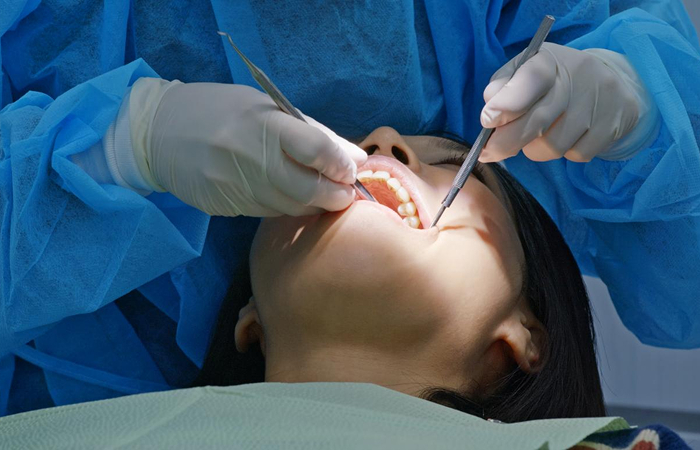
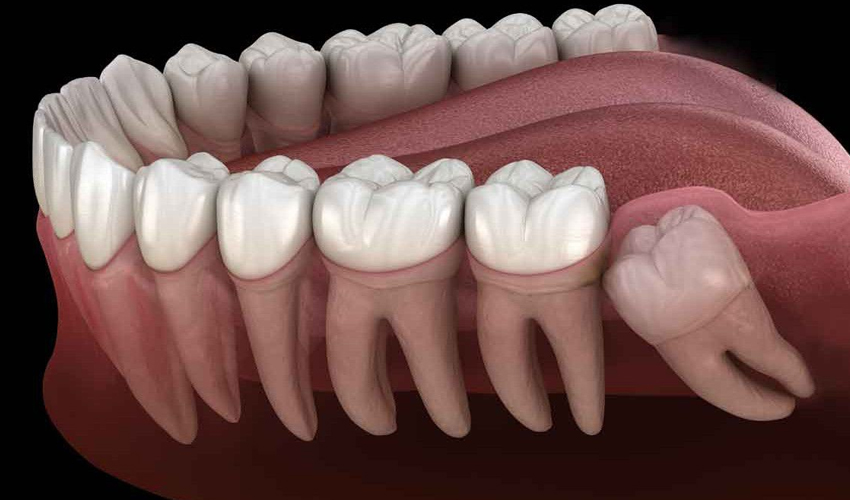
Surgical tooth extraction is a surgical procedure performed when a tooth cannot be removed safely and predictably using conventional extraction techniques. Surgical extraction may be necessary when a tooth remains impacted within the gum or bone, when the visible portion of the tooth is severely fractured, when the root anatomy makes extraction difficult, or when the tooth is located close to important anatomical structures.
Although the word “surgical” can sometimes cause concern among patients, the primary purpose of the procedure is not to remove the tooth by applying excessive force. On the contrary, the aim is to gain controlled access to the tooth and complete the extraction with as little trauma as possible to the surrounding bone and soft tissues.
At Dentsmile Oral and Dental Health Clinic, when planning a surgical tooth extraction in Üsküdar, we first perform a clinical examination and radiographic assessment. The position of the tooth, shape of the roots, surrounding bone structure, and relationship with important anatomical structures are evaluated to determine the appropriate treatment approach.
When Is Surgical Tooth Extraction Necessary?
Not every tooth that appears difficult to extract requires a surgical approach. Some teeth can still be removed using conventional extraction techniques when the appropriate method is used.
Surgical extraction may be necessary particularly in cases involving:
Teeth impacted within the gum or bone
Teeth with severely fractured visible crowns
Teeth fractured below the gum line
Root shapes or positions that make conventional extraction difficult or impossible
Certain cases in which part of the root fractures during extraction
Severely decayed teeth with insufficient remaining crown structure to be grasped
Cases requiring controlled removal or reshaping of surrounding bone
Certain impacted or partially impacted wisdom teeth
Determining the appropriate extraction technique in advance is important for carrying out the procedure in a controlled manner.
How Is Surgical Tooth Extraction Performed?
Before treatment, the patient’s general health, medications, and the clinical condition of the affected tooth are evaluated. Necessary radiographic images are reviewed to assess the anatomy of the roots and their relationship with surrounding structures.
The procedure is generally performed under local anesthesia.
Once adequate anesthesia has been achieved, a controlled surgical approach to the gum tissue may be performed to gain access to the tooth. When necessary, a limited amount of the surrounding bone may be removed.
If removing the tooth in one piece would cause unnecessary trauma to the surrounding tissues, the tooth may be carefully divided into sections. This technique can allow for a more controlled extraction, particularly in multi-rooted or impacted teeth.
After the tooth has been removed, the extraction site is evaluated and cleaned when necessary. The surgical area may then be closed with sutures.
What Is the Difference Between Simple and Surgical Tooth Extraction?
During a simple tooth extraction, the dentist can access a sufficient portion of the tooth within the mouth using appropriate instruments, and a surgical incision in the gum is generally not required.
During a surgical tooth extraction, an additional surgical approach may be necessary to gain access to the tooth or root.
This may involve:
Carefully opening the gum tissue
Removing a limited amount of bone when necessary
Dividing the tooth into sections
Placing sutures after the procedure
The purpose is not to make the procedure more extensive, but to remove a difficult tooth while preserving the surrounding tissues as much as possible.
Can Fractured Teeth Be Surgically Extracted?
In a severely decayed or fractured tooth, there may not be enough remaining crown structure for the dentist to grasp during a conventional extraction.
If the fracture extends below the gum line, a surgical approach may be required to access the root.
However, the fact that a tooth is fractured does not automatically mean that it needs to be extracted.
If the root and surrounding tissues are healthy, some fractured teeth may be preserved using restorative treatments such as root canal treatment, a fiber post, filling, onlay, overlay, or crown.
For this reason, the possibility of restoring the tooth should be evaluated before deciding on surgical extraction.
Surgical Extraction in Cases of Root Fracture
During a conventional tooth extraction, a small portion of the root may occasionally fracture. It is not accurate to state that every retained root fragment must always be removed surgically.
The size of the root fragment, presence or absence of infection, relationship with important anatomical structures, and potential risks associated with removal should all be evaluated.
When removal is considered necessary, controlled surgical access can be established to retrieve the root fragment.
Avoiding unnecessary intervention is particularly important when the fragment is located close to important anatomical structures such as the inferior alveolar nerve canal or maxillary sinus.
Is an X-Ray Required Before Surgical Tooth Extraction?
Radiographic assessment plays an important role in planning a surgical extraction.
Panoramic or intraoral radiographs can be used to evaluate:
Number and shape of the roots
Position of the tooth within the bone
Surrounding bone structure
Relationship with neighboring teeth
Suspected infection or cystic lesions
Proximity to important anatomical structures
In selected cases where two-dimensional radiographs do not provide sufficient information, 3D dental tomography (CBCT) may be requested.
Three-dimensional imaging can be particularly helpful when a detailed assessment of the relationship between a lower tooth and the nerve canal or between an upper tooth and the maxillary sinus is required.
However, CBCT is not necessary for every surgical tooth extraction.
Is Surgical Tooth Extraction Painful?
Surgical tooth extraction is generally performed under local anesthesia. Once adequate anesthesia has been achieved, the patient is not expected to experience sharp pain during the procedure.
The patient may feel pressure, movement, or pulling sensations during treatment. These sensations should be distinguished from pain.
After the procedure, once the anesthesia wears off, some pain, tenderness, and swelling may occur. The severity of these symptoms varies according to the extent of the procedure and the individual patient’s healing response.
Using medications as recommended by the dentist and following postoperative instructions are important for managing the recovery period.
Swelling After Surgical Tooth Extraction
A certain degree of swelling after surgical extraction can be a normal part of the healing process.
Swelling may be more noticeable after procedures involving bone removal or the extraction of impacted teeth compared with simple extractions.
When considered appropriate by the dentist, intermittent external cold application may be recommended during the early postoperative period.
However, if swelling progressively increases rather than following the expected healing pattern, or if it is accompanied by fever, significant difficulty opening the mouth, difficulty swallowing, or deterioration in general health, clinical evaluation is necessary.
What Should You Do After Surgical Tooth Extraction?
Protecting the surgical area during the first few days is important for proper healing.
In particular:
Bite down gently on the gauze placed by the dentist for the recommended period.
Avoid vigorous rinsing or forceful spitting on the first day.
Do not touch or disturb the extraction site with your tongue or fingers.
Avoid very hot foods and beverages.
Be careful when eating until the local anesthesia has completely worn off.
Avoid smoking and tobacco products.
Avoid using straws or other activities that create suction inside the mouth.
Take any medications prescribed by your dentist exactly as instructed.
Follow your dentist’s recommendations regarding cleaning of the surgical area.
Protecting the blood clot that forms within the extraction site is an important part of wound healing.
Nutrition After Surgical Tooth Extraction
During the early period after surgical extraction, soft and lukewarm foods are generally more comfortable.
It may be advisable to avoid very hot, hard, sharp-edged foods or foods containing small particles that could easily enter the extraction site during the initial healing period.
Whenever possible, chewing should be performed on the side opposite the extraction site.
As healing progresses, patients can gradually return to their normal diet according to their dentist’s recommendations.
Sutures After Surgical Tooth Extraction
Sutures may be placed after surgical tooth extraction to help close the surgical area.
Depending on the type of suture material used, the stitches may dissolve on their own or may need to be removed at the clinic after a specified period.
The presence of sutures does not mean that the area should not be cleaned. However, aggressive brushing that may directly traumatize the surgical site should be avoided during the early healing period, and the oral hygiene method recommended by the dentist should be followed.
Healing After Surgical Tooth Extraction
Healing involves more than simply the closure of the gum tissue.
Immediately after extraction, a blood clot forms inside the socket. The soft tissues then begin to heal, and over time, the bone within the extraction socket undergoes remodeling.
Visible healing of the gums does not mean that the underlying bone has completely healed. Bone healing is a longer process.
Particularly when a dental implant is planned to replace the extracted tooth, the amount of bone at the extraction site and the progression of healing become important components of the overall treatment plan.
When Is a Follow-Up Required After Surgical Tooth Extraction?
A certain degree of pain and swelling may be expected during the initial period following surgery. However, these symptoms should gradually decrease over time.
The dentist should be contacted particularly in cases of:
Increasing or severe pain
Heavy bleeding that does not stop
Significant or progressively increasing swelling
Fever
Unpleasant taste or odor
Difficulty swallowing or breathing
Unexpected or persistent numbness
Early assessment is important for the management of potential complications.
Can a Dental Implant Be Placed After Surgical Tooth Extraction?
If a dental implant is being considered to replace the extracted tooth, planning the treatment before extraction whenever possible can be beneficial.
In certain suitable cases, an implant may be placed immediately into the extraction site during the same appointment. However, this approach is not appropriate for every patient or every extraction site.
Factors that should be evaluated include:
Presence and extent of infection
Available bone volume
Gum tissue characteristics
Whether adequate primary implant stability can be achieved
Aesthetic requirements
In some cases, the extraction site is allowed to heal before implant placement is performed at a later stage. When there is a risk of bone loss, additional procedures such as socket preservation or bone grafting may also be considered at the time of extraction.
For this reason, when a dental implant is planned, the extraction should not be considered completely independently from the subsequent treatment.
Surgical Tooth Extraction in Üsküdar
At Dentsmile Oral and Dental Health Clinic, when planning a surgical tooth extraction in Üsküdar, our first approach is to evaluate whether the natural tooth can be treated and preserved. If the tooth can be maintained in a healthy and functional condition, extraction is not our first choice.
When extraction is necessary, the root anatomy, position of the tooth within the bone, and relationship with important surrounding structures are evaluated to determine whether a simple or surgical extraction technique is appropriate.
The primary objective of surgical extraction is not simply to remove the tooth, but to perform the procedure in a controlled manner while preserving the surrounding gum and bone tissues as much as possible. This approach becomes particularly important when dental implant treatment is planned after extraction.
When planning surgical tooth extraction in Üsküdar, appropriate imaging, the correct surgical technique, and postoperative follow-up should be considered as integral parts of the treatment process.