Tooth Extraction
Simple Extraction
Comprehensive information about Simple Extraction, treatment steps and FAQs — Dentsmile.
What Is a Simple Tooth Extraction? Tooth Extraction in Üsküdar
A simple tooth extraction is the removal of a tooth that is visible in the mouth and can be extracted under local anesthesia without requiring a surgical procedure. The fundamental approach in dentistry is always to preserve the natural tooth whenever possible. However, in some situations, it may no longer be possible to maintain a tooth in a healthy and functional condition through treatment. In such cases, extraction may become necessary to protect the health of the surrounding teeth and oral tissues.
At Dentsmile Oral and Dental Health Clinic, when planning a tooth extraction in Üsküdar, we first evaluate whether the tooth genuinely needs to be removed. If a decayed or fractured tooth can potentially be preserved with a filling, root canal treatment, crown, or another restorative method, our priority is to retain the natural tooth whenever possible.
If the tooth cannot be saved or leaving it in place may create problems for the surrounding tissues, extraction may be planned.
When Does a Tooth Need to Be Extracted?
The decision to extract a tooth is not made simply because the tooth is painful. Many teeth that cause pain can be preserved with root canal treatment or other dental procedures.
A simple tooth extraction may be considered particularly in cases involving:
Severely decayed teeth that cannot be restored
Teeth with advanced loss of gum and supporting bone tissue
Severe tooth fractures that cannot be repaired
Untreatable problems affecting the root structure
Recurrent infections in cases where the tooth cannot be preserved
Selected cases in which space needs to be created as part of an orthodontic treatment plan
Certain cases in which extraction is required as part of prosthetic or other comprehensive treatment planning
Before deciding on extraction, the current condition of the tooth and alternative treatment options should be evaluated.
How Is a Simple Tooth Extraction Performed?
Before tooth extraction, the patient’s medical history is reviewed and the relevant area is clinically examined. When necessary, radiographic imaging is used to evaluate the tooth’s root structure, the surrounding bone, and its relationship with neighboring anatomical structures.
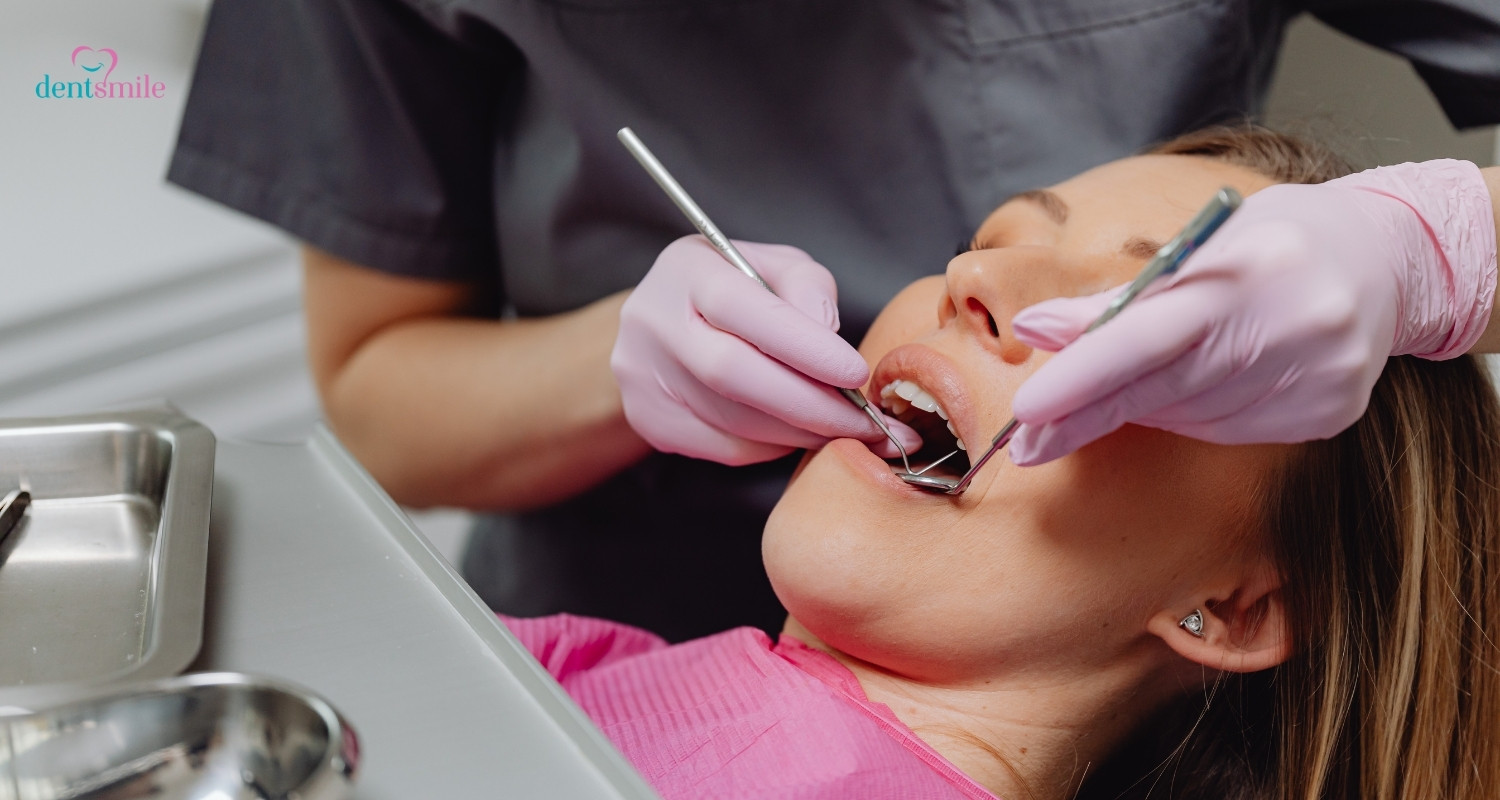
Local anesthesia is administered to the extraction area. Once adequate anesthesia has been achieved, the tooth is carefully loosened from the surrounding tissues using appropriate dental instruments and then removed.
After the tooth has been extracted, the extraction socket is examined. If necessary, the area is cleaned, and pressure is applied with sterile gauze to help control bleeding.
Sutures are generally not required after a simple extraction. However, depending on the characteristics of the extraction and the resulting wound, stitches may be placed if the dentist considers them necessary.
What Is the Difference Between a Simple Tooth Extraction and a Surgical Tooth Extraction?
Not every tooth can be extracted using the same technique.
Teeth with a sufficient portion visible in the mouth that can be adequately grasped are generally suitable for simple extraction.
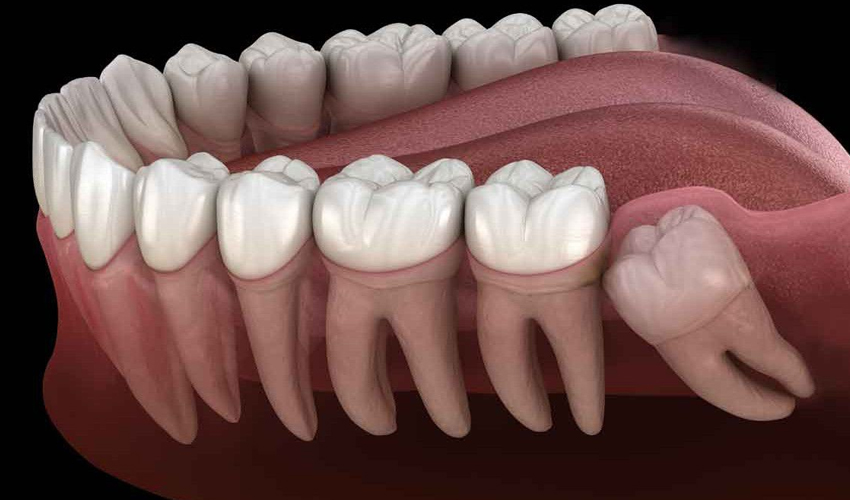
A surgical tooth extraction may be required when the tooth is impacted within the gum or bone, a large portion of the tooth has fractured, the root anatomy makes conventional extraction difficult, or other anatomical conditions are present.
During a surgical extraction, a controlled surgical approach to the gum tissue may be required to access the tooth. In some cases, a limited amount of the surrounding bone may also need to be removed or reshaped.
The appropriate extraction technique is determined after clinical and radiographic assessment.
Is Tooth Extraction Painful?
A simple tooth extraction is performed under local anesthesia. Once adequate anesthesia has been achieved, the patient is not expected to feel sharp pain during the procedure.
However, the patient may feel pressure, movement, or pushing sensations during the extraction. It is important to distinguish these sensations from pain.
In some cases where infection is present, achieving effective anesthesia may require additional attention. The dentist may use supplementary anesthetic techniques when necessary.
After the anesthesia wears off, some tenderness or pain may occur in the extraction area for several days. The intensity of these symptoms may vary depending on the difficulty of the extraction and the individual patient’s healing response.
Bleeding After Tooth Extraction
After a tooth is removed, a blood clot forms within the extraction socket. This clot is a natural and important part of the healing process.
For this reason, the gauze placed by the dentist should be bitten down on with controlled pressure for the recommended period.
During the first few hours, saliva may appear slightly pink or blood-stained. However, if bleeding is heavy or does not stop, the clinic should be contacted.
Patients who take blood-thinning medications should not stop these medications on their own. All medications and existing medical conditions should be reported to the dentist before the extraction. When necessary, the situation may be evaluated together with the physician responsible for the patient’s medical care.
What Should You Do After Tooth Extraction?
The first few hours after extraction are important for wound healing.
Particularly during the first day:
Do not touch or disturb the extraction area with your tongue or fingers.
Avoid vigorous rinsing and forceful spitting.
Apply pressure with gauze for the period recommended by your dentist.
Avoid very hot foods and beverages.
Until the anesthesia has completely worn off, take care not to accidentally bite your lip, cheek, or tongue.
Avoid smoking and tobacco products.
Avoid actions that create suction inside the mouth, such as drinking through a straw.
If medications have been prescribed, use them according to your dentist’s instructions.
Protecting the blood clot within the extraction socket is particularly important. Premature disruption or loss of the clot may delay healing and contribute to the development of a painful condition known as alveolar osteitis (dry socket).
When Can You Eat After Tooth Extraction?
Eating while local anesthesia is still effective may result in accidental biting of the lips or cheeks or injury to the tissues from hot foods.
For this reason, it is generally advisable to wait until the numbness has worn off and to follow the dentist’s post-extraction instructions.
During the first day, very hot, hard, or irritating foods should be avoided. Softer foods at a mild or lukewarm temperature are generally more appropriate.
Whenever possible, chewing can be performed on the side opposite the extraction site.
Is Swelling Normal After Tooth Extraction?
Significant swelling does not occur in every patient following a straightforward simple tooth extraction. However, mild swelling or tenderness may develop depending on the difficulty of the extraction and the condition of the surrounding tissues.
Swelling is generally more likely after surgical extraction than after a simple extraction.
If excessive swelling, fever, an unpleasant taste or odor, progressively worsening pain, or difficulty swallowing develops, the extraction area should be reassessed by a dentist.
When Should Pain After Tooth Extraction Be Evaluated?
A certain degree of tenderness and pain after extraction can be part of the normal healing process. These symptoms are generally expected to decrease over time.
However, if the pain becomes significantly worse rather than improving after the first few days, develops a throbbing character, or radiates toward the ear or surrounding areas, the extraction socket should be examined.
This type of pain may occur particularly in cases of alveolar osteitis (dry socket) associated with loss or disruption of the blood clot.
In such situations, patients should consult their dentist rather than applying medication, alcohol, aspirin, or other substances directly to the extraction site on their own.
Does a Missing Tooth Need to Be Replaced After Extraction?
The same treatment is not required after every tooth extraction. However, when a permanent tooth involved in normal function is lost, the long-term effects of the resulting space should be evaluated.
Over time, neighboring teeth may move toward the empty space, the opposing tooth may over-erupt, and changes in the chewing pattern may occur.
Depending on the location of the missing tooth, bone structure, and condition of the remaining teeth, treatment options may include:
Dental implants
Dental bridges
Removable dentures
If an implant is being considered, planning before the extraction can be particularly important. In some patients, an implant may be placed during the same appointment as the extraction, while in others, the extraction site may need to heal first. Additional procedures may also be planned at the time of extraction when preservation of the available bone is important.
For this reason, particularly when an implant is being considered, tooth extraction should not always be viewed as a procedure completely separate from the subsequent treatment plan.
Simple Tooth Extraction in Üsküdar
At Dentsmile Oral and Dental Health Clinic, when patients visit us for a tooth extraction in Üsküdar, the first question we consider is not whether the tooth can be extracted, but whether it can be preserved without extraction.
Our priority is to preserve a natural tooth that can continue to function healthily in the long term with a filling, root canal treatment, or an appropriate restorative procedure. However, extraction may become necessary when a tooth is damaged beyond restoration or when keeping it in the mouth could negatively affect the surrounding tissues.
Once extraction has been determined to be necessary, the root structure of the tooth and the surrounding anatomical structures are evaluated to decide whether a simple or surgical extraction technique is appropriate.
Our approach to simple tooth extraction in Üsküdar is to avoid unnecessary extractions, preserve natural teeth whenever reasonably possible, and, when extraction is necessary, perform the procedure with the most controlled intervention possible to the surrounding tissues.