
Tooth Extraction
Broken Tooth Extraction
Comprehensive information about Broken Tooth Extraction, treatment steps and FAQs — Dentsmile.
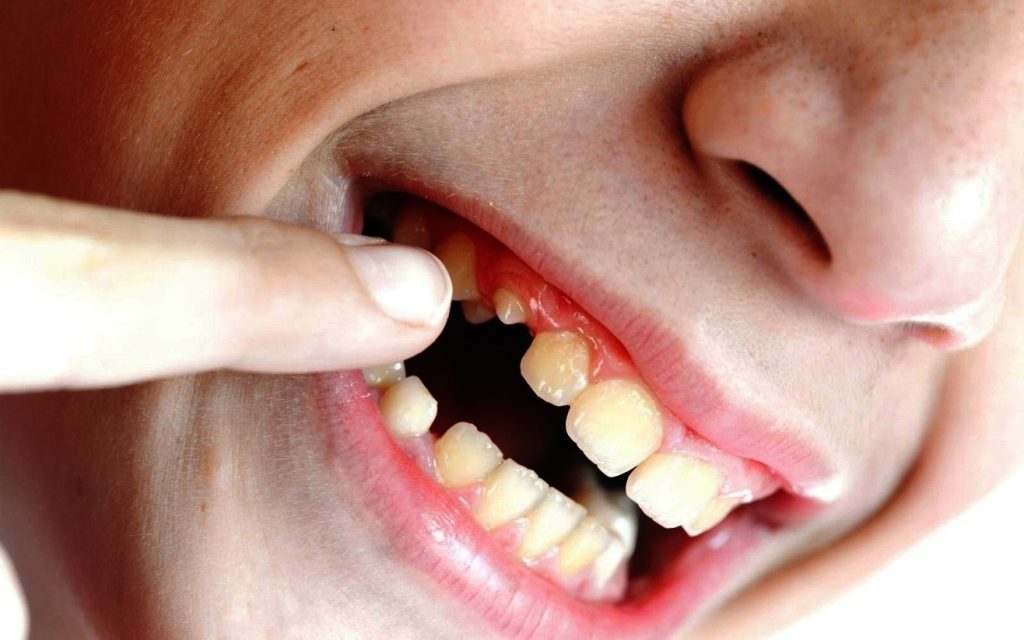
Broken tooth extraction is the removal of a tooth that, following a fracture, can no longer be restored to a healthy and functional condition. Tooth fractures can occur for various reasons, including trauma, advanced tooth decay, large or old fillings, teeth clenching or grinding, biting hard objects, or the gradual weakening of tooth structure over time.
A broken tooth does not necessarily need to be extracted. The amount of healthy tooth structure remaining, the location of the fracture in relation to the gum line, the root structure, the condition of the dental pulp, and the surrounding bone support should all be evaluated together.
Some broken teeth can remain functional in the mouth for many years with treatments such as composite fillings, root canal treatment, fiber posts, onlays, overlays, or crowns. However, extraction may become necessary if the fracture extends toward the root or if there is insufficient healthy tooth structure remaining to provide a reliable restoration.
At Dentsmile Oral and Dental Health Clinic, when patients visit us for a broken tooth extraction in Üsküdar, our priority is not to extract the tooth but to evaluate whether the natural tooth can be preserved.
Why Do Teeth Break?
A healthy tooth can withstand considerable chewing forces. However, certain conditions that compromise the integrity of the tooth structure can increase the risk of fracture.
In particular, extensive decay and large fillings may reduce the amount of healthy tooth structure, causing the remaining walls of the tooth to become more vulnerable to chewing forces.
Tooth fractures may occur due to:
Advanced tooth decay
Large and old fillings
Biting hard foods or objects
Trauma or impact to the tooth
Teeth clenching and grinding
Cracks within the tooth structure
Inadequate restoration of root canal-treated teeth with extensive loss of tooth structure
Identifying the cause of the fracture is important when determining the appropriate treatment.
Does a Broken Tooth Always Need to Be Extracted?
No. The first consideration when treating a broken tooth should be whether the tooth can be restored and preserved.
Minor fractures can often be repaired with composite restorations. When there is more extensive loss of tooth structure, restorative options such as inlays, onlays, overlays, or crowns may be considered.
If the fracture has affected the dental pulp, root canal treatment may be necessary. In some teeth with sufficient healthy structure remaining after root canal treatment, a fiber post and an appropriate final restoration may allow the tooth to return to function.
For this reason, the decision to extract should not be based solely on the size of the fracture visible inside the mouth.
When May a Broken Tooth Need to Be Extracted?
Extraction may be considered when the tooth is unlikely to be restored to a healthy and predictable long-term condition.
This may particularly apply when:
The fracture extends deep into the root
A vertical root fracture is present
There is extensive loss of tooth structure deep below the gum line
Insufficient healthy tooth structure remains to support a restoration
There is advanced loss of supporting bone
The root structure has been damaged beyond treatment
The tooth cannot be preserved because of recurrent infections
However, every case should be evaluated individually. Two teeth that appear to be fractured at a similar level may have very different treatment options.
Can a Tooth Broken at the Gum Line Be Saved?
A tooth that has fractured at the gum line does not automatically need to be extracted.
The first step is to determine how far the fracture extends toward the root and whether sufficient healthy tooth structure can be made available above the gum line to support a restoration.
In some cases, the tooth can be preserved with root canal treatment and appropriate restorative procedures. In selected situations, techniques such as orthodontic extrusion or crown lengthening may also form part of the treatment plan.
However, if the fracture extends deep into the root or a reliable long-term restoration cannot be achieved, extraction may become the more appropriate option.
The objective is not to preserve every tooth at all costs, but to preserve teeth that can remain healthy and functional in the long term when treated appropriately.
Treatment of Teeth with Root Fractures
The treatment of root fractures depends on the direction and location of the fracture.
In particular, vertical root fractures extending along the length of the tooth root are among the conditions that can make long-term preservation of the tooth difficult.
In contrast, some horizontal root fractures resulting from trauma may be monitored or treated without extracting the tooth.
Therefore, the term “root fracture” alone does not provide enough information to determine treatment. The location and direction of the fracture, tooth mobility, condition of the pulp, and surrounding bone tissue should all be evaluated.
Is an X-Ray Necessary Before Broken Tooth Extraction?
In addition to a clinical examination, radiographic assessment often provides important information when evaluating a broken tooth.
X-rays can help assess:
The shape of the tooth roots
The relationship between the fracture and the root
Bone tissue surrounding the root
Presence of infection
Condition of any previous root canal treatment
Neighboring anatomical structures
Some fine cracks and root fractures may not always be clearly visible on two-dimensional X-rays. In selected cases where clinical findings indicate the need for further assessment, 3D dental tomography (CBCT) may be used.
CBCT is not necessary for every broken tooth.
How Is a Broken Tooth Extracted?
Before extraction, the portion of the tooth remaining in the mouth and the root structure are evaluated.
If a sufficient portion of the tooth remains above the gum line, a simple tooth extraction may be performed using appropriate dental instruments.
However, if the tooth has fractured completely at or below the gum line, a surgical approach may be necessary to access the root.
Once local anesthesia has been achieved, the tooth or root is carefully separated from the surrounding tissues. When necessary, individual roots may be separated and removed one at a time.
A limited surgical approach may be required for roots located below the gum or bone level. After the procedure, the extraction site is examined, and sutures may be placed when necessary.
Surgical Removal of a Broken Root
In some cases where the crown of the tooth has been completely lost, only the root or root fragments may remain in the mouth.
If the root cannot be safely removed using conventional extraction instruments, surgical access may be required.
However, it is not appropriate to assume that every small root fragment remaining in the mouth must be removed under all circumstances.
Particularly when a root fragment is located very close to important anatomical structures, there is no infection, and removal would create a greater risk, an alternative approach may be considered.
The decision should be based on the size and location of the root fragment, the presence or absence of infection, and its relationship with the surrounding anatomical structures.
Is Broken Tooth Extraction Painful?
Broken tooth extraction is performed under local anesthesia. Once adequate anesthesia has been achieved, sharp pain is not expected during the procedure.
The patient may feel pressure and movement during the extraction.
The presence of an active infection around the tooth may make anesthesia management more challenging in certain cases. Additional anesthetic techniques may be used when necessary.
After the anesthesia wears off, some pain and tenderness may occur. Symptoms may be more pronounced when a surgical procedure is required compared with a simple extraction.
What Should You Do After Broken Tooth Extraction?
Protecting the blood clot that forms after extraction is important for wound healing.
During the initial period:
Bite gently on the gauze placed by the dentist for the recommended period.
Avoid vigorous mouth rinsing and frequent or forceful spitting.
Do not touch or disturb the extraction site with your tongue or fingers.
Avoid very hot foods and beverages.
Avoid smoking and tobacco products.
Avoid using straws or other activities that create suction inside the mouth.
If medications have been prescribed by your dentist, use them according to the instructions provided.
Slightly blood-stained saliva may be normal during the first few hours. If heavy or persistent bleeding occurs, the clinic should be contacted.
What Can Replace a Broken Tooth After Extraction?
Particularly when a permanent tooth is extracted, the long-term management of the resulting space should ideally be considered before the extraction.
Treatment options for replacing the missing tooth may include:
Dental implant
Fixed dental bridge
Removable denture
The appropriate treatment depends on the location of the extracted tooth, condition of the neighboring teeth, available bone volume, bite relationship, and the patient’s overall oral health.
If implant treatment is being considered, it is particularly important that the extraction procedure is not planned independently from the subsequent implant treatment.
Broken Tooth Extraction and Dental Implants
If a dental implant is planned after the extraction of a broken tooth, preserving as much of the existing bone as possible during extraction becomes particularly important.
In suitable cases, an implant may be placed during the same appointment as the tooth extraction. However, not every broken tooth case is suitable for an immediate implant.
Factors that should be evaluated include:
Presence and extent of active infection
Available bone volume
Anatomy of the extraction socket
Characteristics of the gum tissue
Whether adequate primary implant stability can be achieved
In some patients, the extraction site is allowed to heal before the implant is placed at a later stage.
When preservation of bone volume is particularly important, procedures such as socket preservation or bone grafting may also be considered at the time of extraction.
Healing After Broken Tooth Extraction
Immediately after extraction, a blood clot forms within the socket where the tooth was located. The soft tissues then begin to heal, followed by gradual remodeling of the underlying bone.
The fact that the gum tissue begins to close relatively quickly does not mean that the underlying bone has completely healed. Bone healing takes considerably longer.
Pain and tenderness after extraction should generally decrease over time.
If severe pain progressively worsens after several days, or if an unpleasant taste or odor, significant swelling, fever, or persistent bleeding develops, the extraction site should be examined.
Broken Tooth Extraction in Üsküdar
At Dentsmile Oral and Dental Health Clinic, when patients visit us for a broken tooth extraction in Üsküdar, our initial approach is to determine whether the fractured tooth can be treated and preserved.
Depending on the extent of the fracture and the amount of healthy tooth structure remaining, it may be possible to preserve the natural tooth using treatments such as composite fillings, root canal treatment, fiber posts, inlays, onlays, overlays, or crowns.
When the tooth cannot be restored, the extraction method is determined by considering the root structure, surrounding bone, and subsequent treatment plan. Particularly when dental implant treatment is planned after extraction, preserving as much bone tissue as possible becomes an important part of treatment planning.
Our fundamental approach to broken tooth extraction in Üsküdar is to preserve natural teeth whenever they can reasonably be saved, perform extraction with the most controlled intervention possible to the surrounding tissues when removal is necessary, and consider the subsequent treatment of the missing tooth from the extraction-planning stage onward.