
Cosmetic Dentistry
Laminate Veneers
Comprehensive information about Ultra-Thin Veneers, treatment steps and FAQs — Dentsmile. What Are Laminate Veneers? Minimal Tooth Reduction for Natural and Aesthetic Smiles
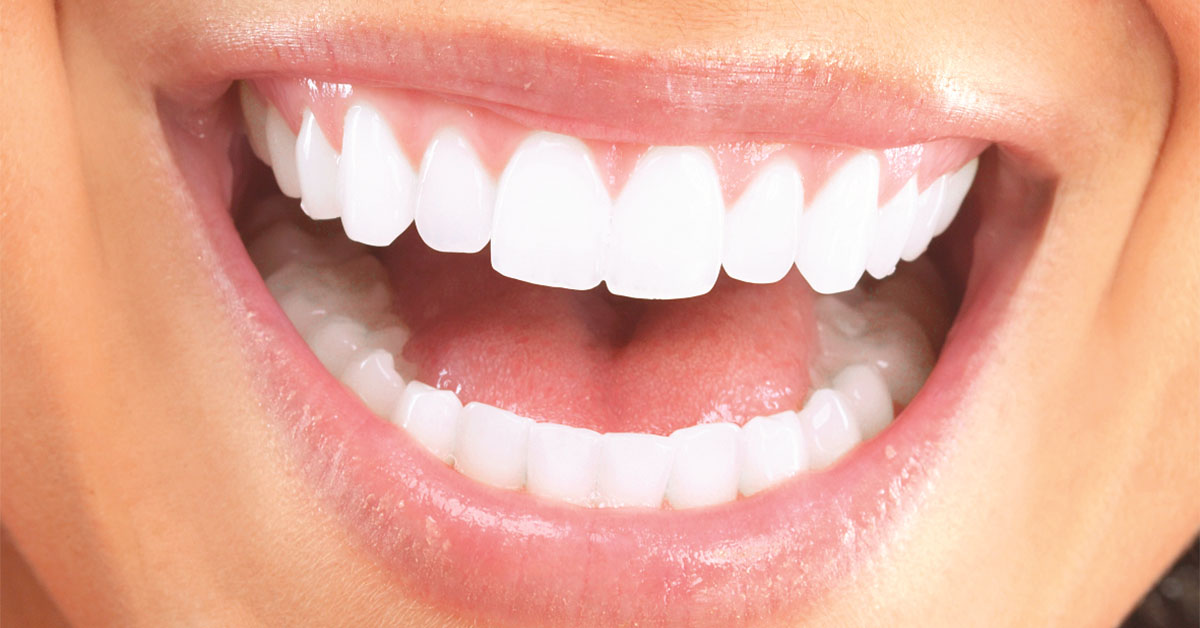
What Are Laminate Veneers? Minimal Tooth Reduction for Natural and Aesthetic Smiles
Laminate veneers are very thin ceramic restorations used in aesthetic dentistry, particularly to improve the appearance of the front teeth. They are bonded to the front surfaces of the teeth using specialized adhesive systems and, when used in appropriately selected cases, can provide a significant aesthetic improvement while preserving most of the natural tooth structure.
Commonly referred to as porcelain veneers, this treatment is known in dentistry as porcelain laminate veneers or simply laminate veneers.
One of the most important principles we have observed over many years of aesthetic dentistry is that a beautiful smile is not created by white teeth alone. Tooth length, width, surface characteristics, the relationship between the teeth and gums, the lip line, and the patient's facial proportions should all be evaluated together. The success of laminate veneer treatment depends on this comprehensive approach.
At Dentsmile Clinic – Üsküdar, Istanbul, we plan laminate veneer treatments individually, with the aim of preserving as much of the patient's natural tooth structure as possible while designing a smile that complements their facial features.
What Are Laminate Veneers?
Laminate veneers are very thin ceramic layers applied to the front surfaces of the teeth.
Their thickness varies depending on the individual case, but because they can be made extremely thin, they are often described as thin porcelain veneers.
The main objective is to restore only the surfaces that require aesthetic modification rather than covering the entire tooth.
For this reason, laminate veneers can offer a more conservative treatment approach compared with conventional crowns.
In suitable cases, they may be applied:
With minimal tooth reduction
Without any tooth preparation in selected patients
However, it would not be accurate to say that laminate veneers can always be applied without preparing the teeth. The existing position of the teeth and the desired aesthetic outcome determine the amount of preparation required.
When Are Laminate Veneers Used?
Laminate veneers are particularly suitable for treating aesthetic concerns involving the anterior teeth.
Gaps Between Teeth
Small or moderate spaces between the front teeth, known as diastemas, can be closed with laminate veneers in suitable cases.
The objective is not simply to close the spaces. The resulting tooth widths and proportions should also appear natural.
Chipped or Worn Teeth
Wear may develop along the edges of the front teeth because of trauma, age, or teeth grinding.
Laminate veneers can be used to restore the lost tooth shape.
Permanent Tooth Discoloration
Certain types of tooth discoloration may not respond sufficiently to professional teeth whitening.
In these cases, porcelain veneers can be used to aesthetically modify the tooth color.
Patients Dissatisfied with Tooth Shape
Teeth that are naturally small, short, or disproportionate to neighboring teeth can be reshaped using laminate veneers.
Mildly Crooked Teeth
Certain cases of mild misalignment can be aesthetically camouflaged with porcelain veneers.
However, in cases of significant crowding, orthodontic treatment may be a more appropriate option to avoid unnecessary removal of healthy tooth structure.
Existing Anterior Restorations
Laminate veneers may also be considered for teeth with old fillings that have become discolored or have lost their aesthetic appearance, provided that the clinical conditions are appropriate.
Who Is Suitable for Laminate Veneers?
Treatment may particularly be considered for patients who:
Are dissatisfied with the shape of their front teeth
Want more balanced tooth proportions within their smile
Have gaps between their teeth
Have minor fractures or wear
Have permanent tooth discoloration
Want a more natural and aesthetic smile
However, gum health and the patient's bite relationship should be suitable before treatment begins.
Who May Not Be Suitable for Laminate Veneers?
Not every patient seeking aesthetic dental treatment is necessarily a suitable candidate for laminate veneers.
Existing problems should first be evaluated in patients with:
Severe uncontrolled teeth clenching or grinding
Significant bite abnormalities
Severe dental crowding
Extensive loss of tooth structure
Insufficient enamel
Active gum disease
Widespread tooth decay
Habits such as nail biting or biting hard objects
Laminate veneer treatment may still be possible in some patients who grind their teeth, although protective measures such as a night guard may be required after treatment.
How Is Laminate Veneer Treatment Performed?
Initial Examination
At the beginning of treatment, it is not sufficient to examine only the teeth that will receive veneers.
We evaluate:
Existing condition of the teeth
Gum levels
Smile line
Lip movements
Facial proportions
Bite relationship
as a whole.
Digital Intraoral Scanning
A three-dimensional digital impression of the teeth can be obtained using an intraoral scanner.
This approach is generally more comfortable for the patient and provides direct digital data for the design process.
Digital Smile Design
Photographs and digital impressions can be used to create the proposed new tooth shapes digitally.
At this stage, the objective is not simply to make the teeth "whiter."
We evaluate:
Tooth length
Tooth width
Symmetry
Relationship with the lips
Appearance within the smile
together.
Smile Preview with a Mock-Up
In suitable cases, the planned design can be temporarily transferred onto the patient's existing teeth using a provisional material.
This procedure is known as a mock-up.
It allows the patient to preview the general character of the proposed smile before treatment begins and evaluate the design together with the dentist.
Minimal Tooth Preparation
When necessary, a very thin layer of enamel is removed from the front surface of the teeth.
The primary objective is to preserve as much enamel as possible.
In selected patients, no preparation may be necessary.
Fabrication of the Laminate Veneers
Customized porcelain veneers are fabricated according to digital or conventional impressions.
The following characteristics are carefully planned:
Color
Translucency
Surface texture
Incisal edge characteristics
Harmony with natural teeth
Try-In and Bonding
Before permanent bonding, the veneers are evaluated in the mouth.
The patient and dentist assess:
Color
Length
Shape
Smile line
Bite
Once the final checks have been completed, the veneers are bonded to the tooth surfaces using specialized adhesive systems.
Can Laminate Veneers Be Applied Without Shaving the Teeth?
For some patients, yes; for others, no.
If the teeth are small, positioned slightly inward, and there is sufficient space for the new ceramic restoration, no-prep veneers may be possible.
However, if the teeth are already positioned forward, adding porcelain without any preparation may make them appear excessively thick and unnatural.
Therefore, "no-prep veneers" should not be considered a superior technique that should be used for every patient.
The correct approach is to remove the minimum amount of tooth structure necessary to achieve the desired aesthetic result.
How Thin Are Laminate Veneers?
Porcelain laminate veneers can be fabricated very thin.
However, the ideal thickness depends on the patient's existing tooth structure and the amount of color or shape modification required.
Thinner is not always better. For example, when a dark tooth needs to be masked, the optical characteristics and thickness of the ceramic must be adjusted accordingly.
For this reason, we consider veneer thickness part of the overall aesthetic treatment plan rather than simply a technical measurement.
What Is the Difference Between Laminate Veneers and Zirconia Crowns?
Laminate veneers are more conservative restorations that primarily cover the front surface of the tooth.
A zirconia crown is a full-coverage restoration that surrounds a much larger portion of the tooth.
In general:
Laminate veneers may be preferred for teeth with sufficient healthy tooth structure when the primary objective is aesthetic improvement.
Zirconia crowns may be more appropriate for teeth with greater structural loss, extensive fillings, or conditions requiring more comprehensive restoration.
Treatment should therefore be selected according to the clinical condition of the tooth rather than simply according to the material requested by the patient.
Are Laminate Veneers and E-max the Same Thing?
Not exactly.
Laminate veneer describes the type and design of the restoration.
E-max is the trade name of a lithium disilicate-based ceramic material that can be used to fabricate laminate veneers.
Therefore, a laminate veneer can be made from E-max, but not every E-max restoration is a laminate veneer.
What Is the Difference Between Laminate Veneers and Composite Bonding?
Composite bonding is another important treatment we use in aesthetic dentistry to modify tooth shape.
Bonding can often:
Be completed in a single appointment
Be more affordable
Provide an excellent solution for minor aesthetic corrections
Laminate veneers may offer advantages in terms of:
Long-term color stability
Retention of surface gloss
Optical properties of ceramic
Not every minor aesthetic concern requires porcelain treatment. For some patients, well-executed composite bonding can be a considerably more conservative option.
Do Laminate Veneers Look Natural?
Yes. When properly planned, one of the most important advantages of laminate veneers is their ability to provide a highly natural appearance.
However, whiteness alone does not determine whether teeth look natural.
Natural teeth:
Do not have a single uniform shade
Have varying translucency around the incisal edges
Contain subtle anatomical surface details
Have small natural variations from one tooth to another
These characteristics should also be reproduced carefully in porcelain.
Teeth that are excessively white, identical in shape, and incompatible with the patient's facial features may look artificial even when they are technically well made.
Do Laminate Veneers Turn Yellow?
Porcelain has excellent color stability.
Coffee, tea, and similar foods are less likely to cause permanent discoloration of porcelain surfaces compared with natural teeth or composite restorations.
However, the structures surrounding the porcelain still require proper care, including:
Natural tooth structure
Bonding margins
Gum tissue
Regular oral hygiene therefore remains essential.
Can Laminate Veneers Break?
Properly planned and bonded laminate veneers can be highly durable despite their thin structure.
However, no dental restoration can withstand unlimited force.
Patients should avoid habits such as:
Biting ice
Cracking hard shells with the teeth
Chewing on pens
Biting fingernails
Patients who clench or grind their teeth may also need to use a night guard.
How Many Appointments Does Laminate Veneer Treatment Require?
Although treatment duration varies according to the complexity of the case, laminate veneer treatment can generally be completed within several appointments when no additional gum treatment or other procedures are required.
The overall treatment time depends on:
Number of teeth being treated
Whether a mock-up is performed
Whether gum contouring is required
Laboratory procedures
In aesthetic dentistry, we do not consider it appropriate to skip important try-in stages simply to complete treatment more quickly.
How Many Teeth Need Laminate Veneers?
Not every patient needs 8, 10, or 20 laminate veneers.
The number of teeth to be treated should be determined according to the teeth visible when smiling and the existing condition of the patient's teeth.
For some patients, a minor correction involving only two teeth may be sufficient, while others may require a more comprehensive smile design involving the upper anterior teeth.
One of our fundamental principles is to avoid unnecessary treatment of healthy teeth that do not present an aesthetic concern.
How Long Do Laminate Veneers Last?
It is not appropriate to specify an exact lifespan for laminate veneers.
Long-term success is influenced by:
Amount of bonding to enamel
Adhesive technique
Bite relationship
Teeth clenching or grinding
Oral hygiene
Habits involving hard foods or objects
Regular dental examinations
When used for the correct indication and properly maintained, porcelain laminate veneers can remain aesthetic and functional for many years.
Care After Laminate Veneer Treatment
Patients with laminate veneers do not need a special toothpaste or complicated maintenance routine.
The basic recommendations include:
Brush the teeth regularly
Use dental floss or appropriate interdental cleaning methods
Maintain healthy gums
Avoid biting very hard objects with the front teeth
Use a night guard if teeth grinding is present
Attend regular dental examinations
Laminate Veneer Prices
The cost of laminate veneer treatment varies according to the number of teeth being treated and the overall scope of treatment.
Factors affecting the price include:
Number of veneers required
Ceramic system used
Digital smile design
Need for gum aesthetic procedures
Treatments required before veneer placement
Technical complexity of the case
For this reason, evaluating the entire treatment based solely on the price of a single veneer is not appropriate.
The first step is determining how many teeth actually require treatment.
Laminate Veneer Treatment at Dentsmile Clinic
At Dentsmile Clinic – Üsküdar, Istanbul, we plan laminate veneer treatment using the most conservative approach possible.
When clinically indicated, we may incorporate modern digital dentistry technologies such as:
Digital intraoral scanning
Digital Smile Design
Mock-up
CAD/CAM technology
CEREC systems
One of the fundamental principles we have developed over many years of aesthetic dentistry is to create a smile that belongs naturally to the patient's face rather than transforming every patient into the same standardized "Hollywood smile."
With well-designed laminate veneers, the porcelain itself should not be what attracts attention. Instead of examining each individual tooth, people should simply be able to say, "Your smile looks very natural."
Frequently Asked Questions
Are laminate veneers and porcelain veneers the same thing?
Yes. The terms porcelain veneers, porcelain laminate veneers, and laminate veneers are commonly used to describe the same type of thin ceramic restoration.
Do laminate veneers damage the teeth?
With the correct indication and appropriate preparation, the objective is to preserve as much healthy natural tooth structure as possible. However, unnecessary or excessive preparation can result in loss of natural tooth structure, which is why appropriate case selection is important.
Are teeth reduced for laminate veneers?
In some cases, a very limited amount of tooth preparation is required. In suitable patients, veneers may also be applied without any preparation.
Can laminate veneers come off?
A strong bond can be achieved with proper surface preparation and adhesive bonding protocols. However, trauma, excessive forces, or technical complications can damage the restoration or its bond.
Do laminate veneers turn yellow?
Ceramic materials have excellent color stability and do not discolor easily. Nevertheless, regular oral care remains necessary to maintain the health of the surrounding natural tissues.
How many years do laminate veneers last?
It is not appropriate to specify an exact number of years. Well-planned, correctly applied, and properly maintained laminate veneers can be used successfully for many years.
Can laminate veneers be removed?
They can be removed by a dentist when necessary. However, if the natural tooth was prepared during the original treatment, it will need to be restored again after the veneer is removed.
The Most Important Principles in Laminate Veneers: Natural Aesthetics and Tooth Preservation
The objective of laminate veneer treatment is not to create the whitest or largest teeth possible. The goal is to preserve as much natural tooth structure as possible while achieving a result that harmonizes with the patient's face, lips, and individual smile characteristics.
For this reason, treatment success depends not only on the quality of the porcelain but also on appropriate patient selection, conservative tooth preparation, correct adhesive bonding, and careful aesthetic planning.
At Dentsmile Clinic – Üsküdar, Istanbul, we plan laminate veneer treatments according to these principles, balancing aesthetic expectations with preservation of natural tooth structure and long-term oral health.