
TMJ Treatments
Bruxism (Teeth Clenching)
What Is Bruxism (Teeth Clenching)? Bruxism Treatment in Üsküdar. Comprehensive information about Bruxism, treatment steps and FAQs — Dentsmile.
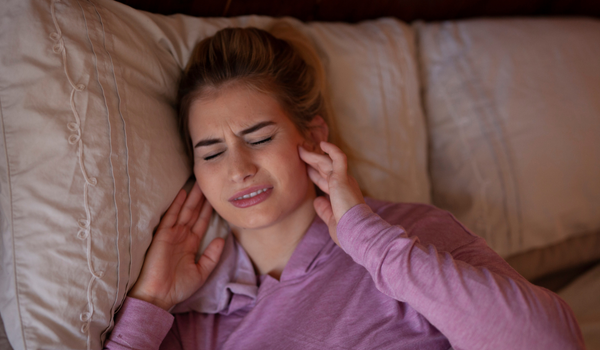
Bruxism is a condition characterized by involuntary clenching or grinding of the teeth or excessive contraction of the jaw muscles. It is commonly referred to as teeth clenching or teeth grinding.
Bruxism does not occur only during sleep. Sleep bruxism occurs while a person is asleep, whereas awake bruxism may involve prolonged tooth contact or unconscious tension of the jaw muscles during the day.
Some people may remain unaware of their bruxism for years. Over time, symptoms such as jaw fatigue in the morning, pain in the temples, tooth sensitivity, or wear on the tooth surfaces may develop.
At Dentsmile Oral and Dental Health Clinic, when planning bruxism and teeth clenching treatment in Üsküdar, we evaluate not only tooth wear but also the chewing muscles, temporomandibular joint, condition of the teeth, and the patient’s individual symptoms.
What Are the Symptoms of Bruxism?
Bruxism does not cause the same symptoms in every patient. In some patients, tooth wear is the main concern, while in others pain in the jaw and facial muscles may be more prominent.
Signs and symptoms that may be associated with bruxism include:
Jaw muscle fatigue and tension in the morning
Teeth clenching or grinding
Wear on the tooth surfaces
Cracks or fractures in the teeth
Repeated fractures of fillings or restorations
Tooth sensitivity
Muscle pain in the jaw and facial area
Pain around the temples
Discomfort around the temporomandibular joint
People who grind their teeth during sleep may sometimes be unaware of the condition themselves and only learn about it from someone sleeping nearby.
However, none of these symptoms alone is sufficient to diagnose bruxism. Because pain in the face, head, and jaw may have various causes, a clinical examination is important.
What Causes Teeth Clenching?
It would not be accurate to say that bruxism has a single cause.
Particularly in awake bruxism, stress, intense concentration, and certain behavioral habits may be associated with prolonged contraction of the jaw muscles. However, attributing every case of teeth clenching solely to stress would be an oversimplification.
Sleep bruxism is a different process associated with muscle activity occurring during sleep.
Certain medications, smoking, high caffeine or alcohol consumption, and some sleep disorders may also be associated with bruxism. For this reason, the patient’s medical history and current medications are important during the assessment.
If symptoms such as pronounced snoring, pauses in breathing during sleep, or excessive daytime sleepiness are present, further evaluation for possible sleep disorders may be necessary.
Can Bruxism Damage the Teeth?
Severe and persistent bruxism may place significant mechanical stress on the teeth in some patients.
Over time, wear may develop on the chewing surfaces of the teeth. Existing fillings, porcelain restorations, and other prosthetic restorations may also be affected by excessive forces.
Not all tooth wear is caused by bruxism. Acid erosion, incorrect brushing techniques, and other mechanical factors can also result in loss of tooth structure.
Therefore, bruxism should not be diagnosed solely from the appearance of tooth wear without assessing its pattern and underlying cause.
Can Bruxism Affect the Temporomandibular Joint?
Teeth clenching and excessive use of the jaw muscles may be associated with pain and fatigue in the chewing muscles in some patients. Bruxism may also be associated with temporomandibular joint (TMJ) disorders.
However, it would not be accurate to assume that all temporomandibular joint disorders are caused by bruxism.
If symptoms such as clicking or other sounds from the jaw, restricted mouth opening, or jaw locking are present, the temporomandibular joint should be evaluated separately.
How Is Bruxism Diagnosed?
During the assessment, the patient’s symptoms and medical history are reviewed in detail.
The teeth are examined for signs of wear, cracks, or fractures. Existing fillings and other restorations are also evaluated.
The chewing muscles are examined for tenderness, and the temporomandibular joint may be assessed when necessary.
A history of teeth grinding during sleep, symptoms occurring in the morning, and whether the patient tends to clench their teeth during the day can also provide useful information.
Advanced diagnostic testing is not required for every patient. However, when a sleep disorder is suspected, additional evaluation or sleep studies by the appropriate medical specialists may be recommended.
How Is Bruxism Treated?
There is no single treatment method suitable for every patient with bruxism.
The aim of treatment may vary depending on the patient’s symptoms. In some patients, protecting the teeth from excessive forces is the main priority, while in others controlling pain and tension in the chewing muscles may be more important.
Depending on the individual case, treatment may include:
Behavioral strategies to increase awareness of teeth clenching
Reducing habits that unnecessarily tense the jaw muscles
Appropriate exercises
Physical therapy when necessary
Occlusal splints (night guards)
Restoration of teeth damaged by excessive wear
Evaluation and management of other underlying conditions when present
For patients who clench their teeth during the day, becoming aware that the teeth should not remain in constant contact is particularly important. In the normal resting position, the jaw muscles should be relaxed and the teeth should not be continuously pressed together.
Night Guards for Bruxism
A night guard or occlusal splint is one of the most commonly used protective approaches in the management of bruxism.
A properly designed custom-made splint can help reduce direct tooth-to-tooth contact during sleep and protect the teeth and existing restorations from excessive forces.
However, a night guard should not be considered a definitive treatment that eliminates the underlying cause of bruxism.
The appliance should be designed according to the patient’s dental anatomy and bite. An unsuitable splint used for a prolonged period without professional monitoring may lead to unwanted effects.
For this reason, when a splint is indicated, a custom-made appliance prepared and monitored by a dentist is generally preferable to over-the-counter or standard-sized night guards.
Botulinum Toxin for Teeth Clenching
In selected patients, botulinum toxin injections may be considered to help manage excessive activity of the chewing muscles.
The treatment aims to temporarily reduce the activity of chewing muscles such as the masseter. However, its effects are not permanent, and it is neither necessary nor appropriate for every patient with bruxism.
Botulinum toxin should not be regarded as a treatment that eliminates all underlying causes of bruxism.
After evaluating the patient’s muscle structure, symptoms, and other treatment options, it may be considered as part of the treatment plan in suitable cases.
Can Teeth Worn Down by Bruxism Be Restored?
If long-term teeth clenching or grinding has caused significant tooth wear, controlling bruxism alone may not be sufficient.
Depending on the amount of tooth structure lost, restorative treatments such as composite restorations, onlays, or crowns may be considered.
In advanced cases of tooth wear, a more comprehensive treatment plan may be required, taking into account tooth length, bite relationships, and chewing function.
An important part of treatment is managing excessive forces before or alongside restorative procedures. Otherwise, newly placed restorations may also be exposed to excessive mechanical stress.
Bruxism and Teeth Clenching Treatment in Üsküdar
At Dentsmile Oral and Dental Health Clinic, when planning bruxism treatment in Üsküdar, we consider the teeth, chewing muscles, and, when necessary, the temporomandibular joint as a whole.
After evaluating tooth wear, the condition of existing restorations, muscle tenderness, and whether the patient’s symptoms occur during sleep or while awake, an individualized treatment approach can be developed.
When appropriate, occlusal splints, behavioral strategies, treatments targeting the chewing muscles, and restoration of damaged teeth may be considered together.
Our primary approach is not to view bruxism simply as “night-time teeth clenching,” but to assess the teeth, chewing muscles, and temporomandibular joint together and develop a treatment plan suited to the patient’s current symptoms and long-term oral health.
İstersen sonraki Dentsmile metnini de aynı terminoloji ve SEO yapısını koruyarak İngilizceye çevirebilirim.