
Periodontal Treatments
Bleeding Gums Treatment
What Causes Bleeding Gums? Bleeding Gums Treatment in Üsküdar. Comprehensive information about Bleeding Gums Treatment, treatment steps and FAQs — Dentsmile.
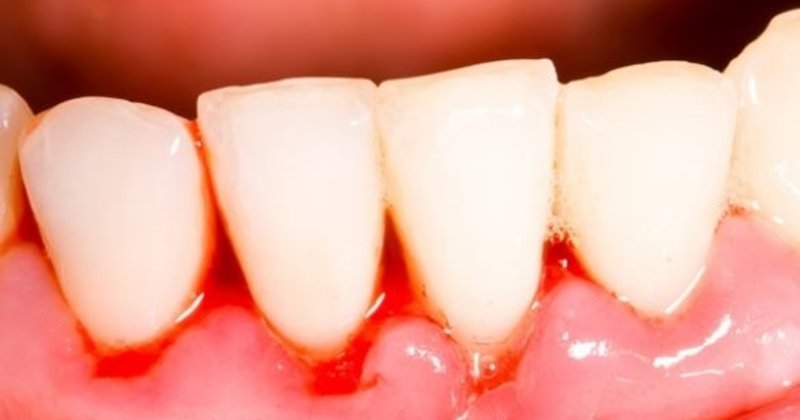
Bleeding gums are an important symptom, particularly noticeable during tooth brushing or cleaning between the teeth, and often indicate a problem affecting the gum tissues. Bleeding gums are not a disease on their own; the underlying cause of the bleeding should be identified.
The most common cause is gum inflammation (gingivitis) resulting from bacterial plaque accumulation around the teeth. However, in cases of persistent or spontaneous gum bleeding, more advanced periodontal diseases, as well as the patient’s general health and medications, should also be considered.
At Dentsmile Oral and Dental Health Clinic, when planning bleeding gums treatment in Üsküdar, our priority is not simply to stop the bleeding temporarily, but to identify its source and provide treatment for the underlying cause.
What Causes Bleeding Gums?
Healthy gums do not normally bleed regularly during routine brushing. Inflammation caused by plaque accumulation along the gum line can make the tissues more sensitive and prone to bleeding.
If plaque is not removed regularly, it can mineralize and develop into calculus (tartar). The rough surface of tartar makes it easier for additional plaque to accumulate, contributing to ongoing gum inflammation.
Bleeding gums may be associated with:
Gingivitis and periodontitis
Plaque and tartar accumulation
Brushing too aggressively or using an incorrect technique
Not cleaning between the teeth regularly
Poorly fitting fillings or dental prostheses
Hormonal changes
Smoking
Certain systemic diseases and medications
Bleeding may be more noticeable in patients taking certain medications commonly referred to as blood thinners. These medications should not be stopped or their dosage changed without consulting the dentist or the physician responsible for the patient’s medical care.
Symptoms That May Accompany Bleeding Gums
Initially, gum bleeding may occur only during brushing. As inflammation progresses, additional symptoms such as redness, swelling, tenderness, and bad breath may develop.
Gum recession, loose teeth, newly developing spaces between the teeth, or discharge from the gums may indicate more advanced periodontal disease.
For this reason, persistent or spontaneous gum bleeding should not automatically be attributed only to the type of toothbrush being used.
How Are Bleeding Gums Treated?
Treatment is planned according to the underlying cause of the bleeding.
If the bleeding is caused by gingivitis associated with plaque and tartar accumulation, professional scaling and dental cleaning, together with proper daily oral hygiene, generally form the basis of treatment.
If periodontal pockets or loss of the bone supporting the teeth are detected during the examination, the condition is evaluated for periodontitis. In such cases, more comprehensive periodontal treatment may be required.
Home care after treatment is also important. Teeth should be brushed at least twice a day using an appropriate technique, and the spaces between the teeth should be cleaned with dental floss or suitable interdental brushes.
Completely avoiding brushing the gums because they bleed is generally not recommended. Continued plaque accumulation may worsen the inflammation. However, when bleeding is caused by traumatic brushing, the toothbrush and brushing technique should be modified.
Mouthwashes may be used as an additional aid when appropriate, but they do not replace tooth brushing, interdental cleaning, or professional periodontal treatment.
When Should Bleeding Gums Be Taken Seriously?
Recurring gum bleeding should be evaluated by a dentist.
Particularly when bleeding begins spontaneously, continues for a prolonged period, or occurs in multiple areas of the mouth, not only the teeth and gums but also the patient’s general health may need to be considered.
If unexplained or unusually excessive bleeding occurs despite the absence of periodontal disease, referral to an appropriate medical specialist may be necessary.
For this reason, attempting to suppress the symptoms with mouthwash or similar products without first determining the cause of the bleeding is not an appropriate approach.
Bleeding Gums Treatment in Üsküdar
At Dentsmile Oral and Dental Health Clinic, before providing bleeding gums treatment in Üsküdar, we evaluate the condition of the gums, the amount of plaque and tartar, and the periodontal tissues supporting the teeth.
For bleeding associated with gingivitis, professional cleaning and appropriate oral hygiene may be sufficient, while patients with periodontitis may require more comprehensive periodontal treatment.
Our primary approach is not simply to eliminate the bleeding itself, but to identify the underlying cause of bleeding gums and plan treatment aimed at maintaining the health of the tissues surrounding and supporting the teeth.